How To Optimize Cabling and Connectors in Enclosures
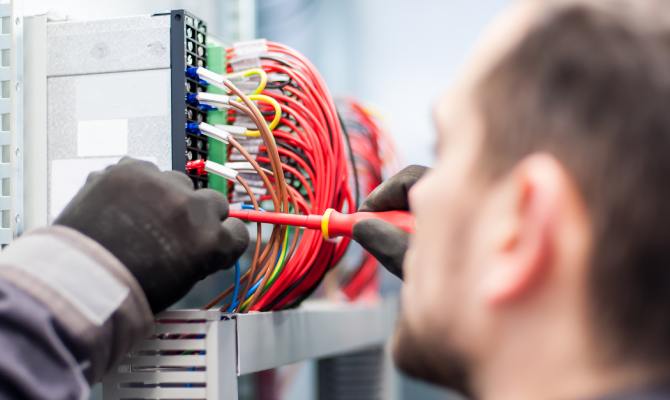
Messy wiring often becomes the Achilles’ heel of an otherwise perfect system. You might build a robust machine, but if the inside looks like a spaghetti explosion, you invite overheating, signal interference, and maintenance headaches. Optimized cabling and connectors act as the nervous system of your setup, delivering power and data exactly where they need to go without interruption. Taking a disciplined approach to wiring improves airflow, extends component life, and makes future troubleshooting a breeze. Here is how to optimize cabling and connectors in enclosures.
Prioritize Component Quality
High-performance systems demand high-performance materials. Skimping on cables or connectors often leads to signal degradation and intermittent failures that are incredibly difficult to diagnose. Select cables with appropriate shielding to block electromagnetic interference (EMI), especially in industrial environments where electrical noise runs rampant. Choose connectors with robust locking mechanisms and corrosion-resistant plating, such as gold, to maintain a solid connection over time. Investing in quality upfront prevents costly downtime down the road.
Master Your Routing Strategy
Effective cable management requires more than just a handful of zip ties. You must plan the physical path of every wire. Group cables by function, separating power lines from sensitive data cables to prevent noise coupling. Use cableways, ducts, or clips to securely fasten bundles to the chassis, preventing movement that could strain connections. When designing a custom electronic enclosure, incorporate dedicated anchor points and pass-throughs directly into the CAD model. This foresight allows you to route wires neatly around heat-generating components, promoting better airflow and cooling efficiency throughout the cabinet.
Label Everything Clearly
Few things frustrate a technician more than tracing an unmarked wire through a dense bundle. Label both ends of every cable with a unique identifier that corresponds to your schematic. Heat-shrink labels offer superior durability compared to adhesive flags, which often peel off over time. Maintain an updated wiring diagram and place a copy inside the enclosure door. Clear documentation turns a potential troubleshooting nightmare into a quick, five-minute fix.
Schedule Routine Inspections
Even the best connections can loosen over time due to vibration or thermal cycling. Make cabling inspection a standard part of your maintenance schedule. Check terminal blocks for tightness, inspect insulation for signs of chafing or heat damage, and verify that strain relief mechanisms remain secure. Catching a fraying wire or a loose screw early saves you from catastrophic failure later.
Build a Better System
Proper cabling transforms your enclosure from a cluttered box into a reliable, professional system. These practices protect your equipment and simplify life for anyone who needs to service the unit. If you need assistance planning your next project or selecting the right hardware, contact our engineering team today for expert guidance.