The Benefits of Modular Construction Methods

Large industrial projects demand speed, accuracy, and cost control. That’s exactly where the benefits of modular construction methods stand out. If your next project calls for tighter timelines and better coordination, explore a modular approach.
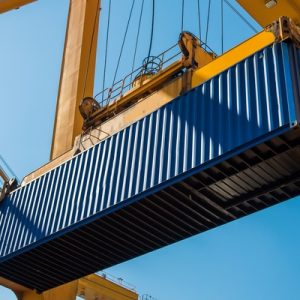
Modular construction shifts a large portion of the build process to a controlled fabrication environment. Crews assemble sections, or modules, off-site and then transport them for final installation. Let’s break down why this method is so reliable in industrial construction.
Faster Project Timelines
Time drives cost in industrial construction. Delays affect labor, equipment rentals, and production schedules. Modular construction shortens timelines because site work and fabrication move forward at the same time. Foundation prep can move ahead while modules take shape in a shop environment.
Weather also carries less influence. Fabrication teams work indoors, which protects schedules from wind, rain, or snow. That predictability allows project managers to map out realistic milestones. When modules arrive on site, crews set them into place with precision, which compresses overall build time. For companies that need infrastructure online quickly, that time savings creates a real advantage.
Improved Quality Control
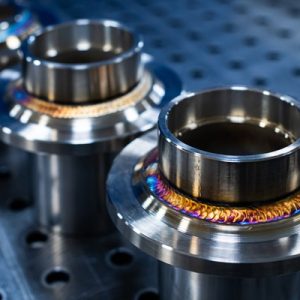
Controlled shop environments support tighter quality standards. Fabrication teams use consistent tools, equipment, and inspection processes. Materials stay safe from outdoor exposure, which reduces wear before installation.
This setting supports more consistent welds, alignments, and system integration. Better quality control standards showcase why modular construction is one of the most practical strategies for industrial construction.
Greater Cost Predictability
Budget stability matters to any infrastructure project. Modular construction supports clearer cost projections because much of the labor occurs in a repeatable shop process. Labor hours become easier to estimate, and material waste tends to decrease due to standardized fabrication practices.
Fewer on-site labor hours also reduce expenses tied to travel, lodging, and extended equipment rentals. When modules arrive ready for placement, field crews spend less time exposed to variable conditions. That efficiency supports steadier financial planning from start to finish.
Enhanced Site Safety
Industrial construction sites present inherent risks. Modular construction shifts a large portion of work into controlled facilities, which reduces the number of workers exposed to field hazards. Fabrication shops provide stable platforms, overhead lifting systems, and organized layouts that support safer workflows.
On-site crews focus more on installation than full fabrication. Fewer field welds and fewer extended tasks at height reduce exposure. With tighter coordination, teams move through installation steps in a structured sequence. This approach supports a safer overall project environment.
Flexible Scalability
Infrastructure demands evolve. Modular construction supports phased expansion in a practical way. Teams can design additional modules that integrate into existing systems without major disruption. When growth requires additional capacity, modular components arrive ready for tie-in. This flexibility supports long-term planning without overbuilding at the outset.
The benefits of modular construction methods align well with large-scale facilities and smaller-scale builds alike. Precision fabrication and coordinated installation create a smoother path from design to operation. For companies that build midstream and industrial systems, this approach supports faster deployment, consistent quality, and disciplined cost control. Take time to evaluate how modular construction could strengthen your project strategy.