
How Sewing Manufacturers Help OEMs Avoid Costly Redesigns
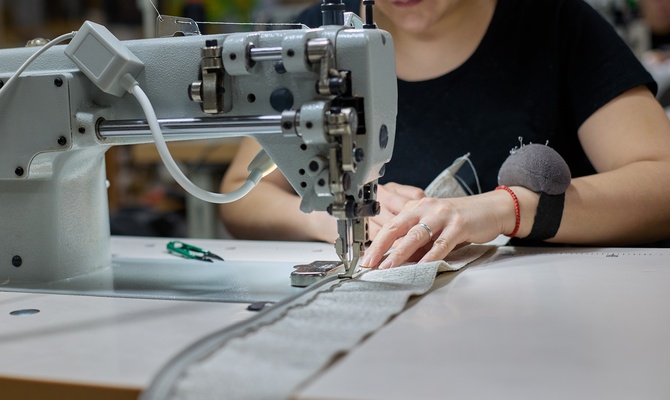
Original equipment manufacturers face intense pressure to deliver products that meet strict performance standards, regulatory demands, and market expectations. Even a minor design flaw can trigger expensive revisions, delayed launches, strained supplier relationships, and damaged brand reputation across competitive industries.
Many OEMs invest heavily in research, prototyping, and validation, yet overlook the manufacturing perspective during early development phases. Sewing manufacturers help avoid costly redesigns with technical expertise, material knowledge, and production insight before full-scale production begins.
Early Design Collaboration Reduces Structural Errors
Sewing manufacturers contribute valuable feedback during early product development stages, which allows OEMs to refine concepts before tooling commitments. Their experience with fabric behavior, seam construction, reinforcement placement, and stress distribution helps engineers detect weaknesses that may not appear in digital models.
When manufacturers review patterns and technical drawings, they often identify seam placements that could cause premature wear or assembly inefficiencies. This proactive evaluation helps OEMs adjust specifications early, which prevents costly modifications after material orders and production schedules move forward.
Material Expertise Prevents Performance Failures
Fabric selection plays a decisive role in product durability, safety compliance, and long-term performance under varied conditions. Sewing manufacturers understand tensile strength, abrasion resistance, moisture response, and coating compatibility across diverse textile categories.
Through material testing and sample construction, they can recommend substitutions or structural reinforcements before full production begins. This technical input allows OEMs to avoid product recalls, warranty claims, and redesign cycles caused by fabric failure or unexpected material behavior.
Prototype Development Improves Functional Accuracy
Experienced sewing manufacturers build precise prototypes that reflect real production conditions rather than theoretical assembly scenarios. These samples reveal how components interact under load, movement, and environmental stress, which supports more accurate performance evaluation.
Prototype construction also exposes tolerance conflicts, hardware alignment issues, and attachment weaknesses that software simulations often overlook. OEMs gain realistic insight into final product behavior, which reduces the likelihood of post-launch structural corrections.
Process Engineering Enhances Manufacturability
Manufacturing specialists analyze seam sequences, stitch types, and assembly flow to ensure efficient production without compromising structural integrity. Their understanding of machine capabilities and operator techniques helps optimize patterns for repeatable, high-quality output.
Learning what to look for when choosing a contract sewing partner will ensure you select a team that evaluates manufacturability before production commitments occur. This careful selection supports design stability, consistent quality control, and reduced financial exposure from avoidable engineering revisions.
Quality Control Systems Reduce Post-Launch Corrections
Established sewing manufacturers implement structured inspection procedures at multiple production stages to detect deviations early. These quality checkpoints verify seam strength, dimensional accuracy, hardware placement, and overall product consistency before shipment.
One of the main strategies that sewing manufacturers use to help OEMs avoid costly redesigns is to reduce the risk of widespread defects reaching end users. This preventive approach minimizes warranty claims, customer dissatisfaction, and costly redesign initiatives triggered by systemic production errors.
In competitive markets where margins remain tight and customer expectations remain high, OEMs cannot afford repeated redesign cycles that drain resources and delay revenue. Sewing manufacturers provide far more than assembly services, as they contribute technical insight, material expertise, and production knowledge that strengthen design integrity from the outset.


