What Affects the Lifespan of a Water Tank Liner?
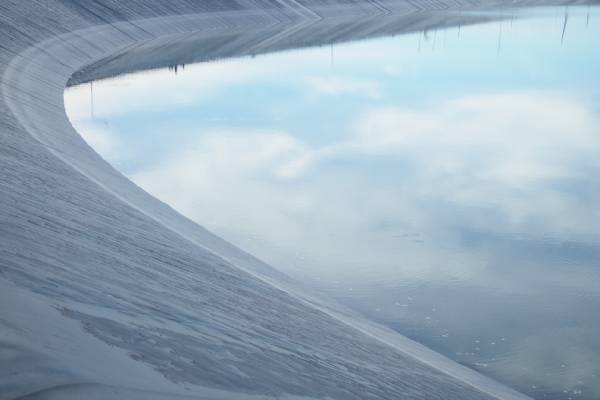
A water tank liner protects stored water and helps limit leaks, corrosion, and structural wear. Its service life depends on more than the liner material alone because water quality, tank conditions, installation, and maintenance all shape long-term performance. Keep reading to learn more about what affects the lifespan of a tank liner.
Material Choice Sets The Baseline
Material selection plays the first major role in liner lifespan. A liner must match the tank’s size, shape, operating temperature, and the type of water or solution stored inside because the wrong match can drive early wear and unnecessary replacement costs.
Commercial and facility tanks often face more demanding conditions than residential systems. Continuous use, higher capacity, and stricter performance expectations place more stress on the liner and raise the importance of choosing a material built for that environment.
Water Chemistry Can Shorten Service Life
Water chemistry has a direct effect on liner durability. Disinfectants, mineral content, pH imbalance, and residue buildup can all increase material stress over time, especially in tanks that stay in regular service.
Temperature changes also matter. Repeated filling, draining, and thermal movement can place strain on seams, corners, and attachment points where wear often begins.
Installation Quality Often Determines Early Success
Even a well-made liner can fail early when installers miss field measurements, overlook tank penetrations, or create tension points during fitting. Source material on commercial liners stresses that wrinkles, poor seaming, weak anchoring, and bad fit often lead to leaks and premature wear.
That makes proper commercial tank liner installation a key factor in liner lifespan. A correct fit helps reduce stress at corners, nozzles, and transitions, which are common starting points for damage.
Tank Condition Matters More Than You May Expect
The liner does not work in isolation. Rough edges, corrosion, residue, protrusions, and uneven surfaces inside the tank can damage the liner during installation or after startup.
A clean and stable substrate supports even placement and reduces abrasion. When crews rush preparation, the liner may face damage much earlier than expected, even if the material itself meets the job requirements.
Daily Operating Demands Add Up Over Time
Service conditions shape liner life every day. Tanks that handle frequent cycling, heavy use, or complex internal features such as ladders, outlets, and supports place more demands on the liner than simple storage systems do.
Facility owners should watch for signs that operating conditions may cut service life, including:
- reoccurring leaks near seams or fittings
- visible wrinkling, stretching, or abrasion
- discoloration, buildup, or odor concerns
- repeated repairs after startup or cleaning
These signs often point to a mismatch between the liner, the tank, and the real service environment. Early action can help avoid unplanned downtime and larger repair costs.
Maintenance Helps Extend Usable Life
Routine inspection supports longer liner performance. Regular checks can catch seam wear, fit issues, moisture intrusion, and corrosion around attachment areas before those problems spread.
A longer-lasting liner usually comes from a combination of several aspects, including sound material selection, careful installation, stable operating conditions, and consistent upkeep. When those factors align, facility and business owners gain more reliable containment, lower repair risk, and better value from the tank system.