Understanding the Role of Coping in Roof Performance
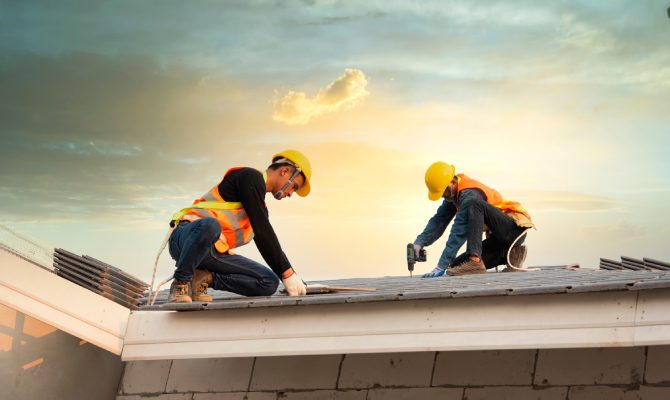
Understanding the role of coping in roof performance helps property owners and designers protect vulnerable roof edges from weather damage and structural wear. Coping acts as a protective cap that shields parapet walls and directs water away from critical areas. When installed correctly, it strengthens the entire roofing system by preventing moisture infiltration and reducing the risk of long-term deterioration. This essential component often goes unnoticed, yet it plays a direct role in preserving both the structural integrity and visual finish of a building.
What Roof Coping Does
Roof coping covers the top of parapet walls, creating a barrier against rain, snow, and wind-driven moisture. Without coping, water can seep into masonry or wall assemblies, leading to cracks, internal leaks, and eventual structural issues. Coping systems also include drip edges that push water away from the wall surface, minimizing staining and erosion over time. By sealing the most exposed edge of the roof, coping helps maintain consistent performance in all seasons.
Materials and Design Impact
The material used for coping influences durability, maintenance needs, and appearance. Metal coping, often made from aluminum or steel, offers strong resistance to corrosion and provides a clean, modern finish. Stone and precast concrete options bring a traditional look while delivering solid protection. Design also matters because coping must fit the dimensions and slope of the roof precisely. Ill-fitting coping can allow gaps where water enters, undermining the protective function it is meant to provide.
Integration With Roofing Systems
Coping does not function in isolation. It must integrate seamlessly with the roofing membrane and flashing system. Proper installation ensures that all components work together to prevent leaks and manage water flow. Contractors must secure coping tightly while allowing for thermal expansion, which prevents warping or separation over time. When coping aligns with the roof’s drainage plan, it supports efficient water movement and reduces stress on other roofing elements.
Adapting to Complex Structures
Modern architecture often features irregular shapes and varying roof elevations. In these cases, standard coping solutions may not provide adequate coverage. Custom coping profiles for complex rooflines allow builders to maintain consistent protection across unique designs. Tailored solutions ensure that every edge receives proper coverage, even in challenging layouts. This approach improves both performance and visual consistency, especially on commercial or high-end residential properties.
Maintenance and Longevity
Routine inspection helps extend the life of roof coping. Over time, fasteners can loosen and sealants may degrade due to weather exposure. Addressing these issues early prevents larger problems such as water intrusion or structural damage. Cleaning debris from coping edges also supports proper drainage. A well-maintained coping system continues to perform effectively and protects the investment made in the overall roofing structure.
Supporting Your Roof’s Function
Understanding the role of coping in roof performance highlights how a seemingly simple feature contributes to long-term durability and protection. By shielding roof edges, guiding water away, and integrating with the broader roofing system, coping plays a key role in maintaining structural stability. Thoughtful design, proper installation, and regular upkeep ensure that coping continues to support the roof’s function while preserving the building’s appearance.