How Communities Can Support Sustainable Food Systems
Local food systems play a growing role in how towns stay resilient and connected. In places like Dixon, Missouri, small shifts in how food gets grown, shared, and supported can make a real difference. How communities can support sustainable food systems starts with practical actions that bring people closer to their food sources.
Stronger local systems can improve access to fresh food, support local growers, and reduce strain on larger supply chains. With a few focused efforts, communities can build something that lasts.
Support Local Farmers And Markets
Local farmers’ markets and roadside stands give residents direct access to fresh produce. When people choose to buy locally, they help keep farms operating and strengthen the regional economy.
In and around Dixon, supporting nearby farms keeps money circulating within the community. It also encourages growers to continue offering fresh, seasonal products. Even small, regular purchases can make a difference over time.
Encourage Home And Community Gardening
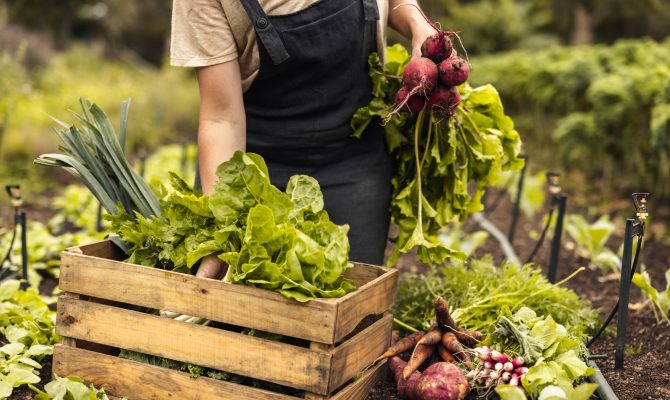
Gardening gives residents more control over what they eat. Backyard gardens, raised beds, and shared community plots all support local food production.
Community gardens also create opportunities for neighbors to connect. People can share tools, seeds, and knowledge while growing fresh food together. Schools and local groups can take part as well, which helps introduce younger generations to sustainable habits.
Explore Modern Growing Methods
Traditional farming methods remain important, but newer techniques can support year-round production and efficient use of space. Some growers benefit from custom hydroponic systems, which allow plants to grow without soil while using less water.
These systems can work well in controlled environments such as greenhouses. In smaller towns, they offer a way to grow fresh produce even when outdoor conditions limit traditional farming.
Reduce Food Waste Locally
Food waste affects both households and the broader community. Simple habits can reduce how much food ends up discarded.
Meal planning, proper storage, and using leftovers all help stretch food further. Local organizations can also support food recovery programs that redirect surplus food to those in need.
Restaurants, schools, and grocery stores can take part by partnering with local groups that handle redistribution. These efforts keep usable food within the community.
Strengthen Community Education
Education plays a major role in building sustainable systems. Workshops, local events, and school programs can teach residents how to grow food, reduce waste, and make informed choices.
Libraries, extension offices, and community centers often provide resources that support these efforts. When people understand where their food comes from, they make decisions that support long-term sustainability.
Build Stronger Local Connections
A sustainable food system depends on strong relationships. Farmers, consumers, educators, and local leaders all play a part.
Community events, seasonal markets, and local initiatives bring people together around shared goals. These connections help ideas spread and encourage ongoing participation.
Over time, these efforts shape how a town approaches food access and production. When people work together, they create a system that supports both the environment and the local economy.
Growing A More Sustainable Future In Dixon
Every community has the ability to improve how it produces and shares food. In Dixon, small actions can build toward lasting change. By focusing on how communities can support sustainable food systems, residents can create a more reliable, connected, and environmentally responsible way to feed their town.