How Communities Can Modernize Historic Buildings Responsibly
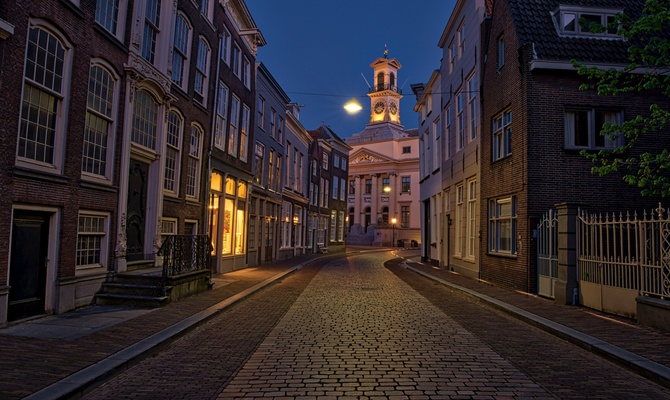
Historic buildings help Missouri communities maintain a visible connection to their past. Many also need updated systems or safer access before residents can continue using them. Exploring responsible ways communities can modernize historic buildings enables local leaders to meet present-day needs while preserving the features that give each property its identity.
For Dixon and nearby communities, preservation works best when planning starts with the building itself. Its condition and original design should shape the project from the beginning.
Identify What Makes the Building Distinctive
Before approving changes, project leaders should document the features that carry historical value. These may include masonry patterns or original windows. Decorative trim may also contribute to the building’s character.
Photographs and written condition reports create a record of the property before work begins. Leaders should also confirm whether local, state, or federal preservation rules apply. Early research can prevent a project from removing features that crews cannot replace later.
Repair Before Choosing Replacement
Original materials often give a historic building its character. Repairing woodwork or masonry can preserve that appearance while correcting damage.
Replacement may become necessary when deterioration affects safety or function. When crews install new materials, they should choose options that match the scale and appearance of the original design. A close visual match helps updates blend into the building rather than draw attention away from it.
Address Safety During Early Planning
Historic status does not remove the need for reliable exits or current fire protection. Project leaders should involve building officials early, giving preservation specialists time to find solutions that respect the property.
Installing a fire escape on a historic building requires careful placement. The structure should provide a dependable exit without covering decorative details or placing unnecessary stress on aging exterior materials.
Review Safety Concerns Before Construction
- Confirm that occupants can reach required exits.
- Inspect stairs and railings for damage.
- Review alarms and emergency lighting.
- Check where fire-resistant barriers may belong.
Planning these updates before other construction begins can reduce conflicts between safety requirements and preservation goals.
Make the Building Easier to Access
Public buildings should welcome residents with different mobility needs. Ramps or lifts may improve access, though their location matters. Placing them near a less prominent entrance may protect a historic facade while providing a clear route inside.
Signs should direct visitors to the accessible entrance without making it feel hidden. Community members with disabilities can also review early plans and point out barriers that may not appear obvious on paper.
Update Mechanical Systems With Care
Older buildings may need new wiring or more dependable heating and cooling. Crews can often route these systems through less visible areas to avoid disturbing decorative walls or ceilings.
Window repair and careful air sealing may improve comfort without removing original materials. Teams should study how moisture moves through the building before adding insulation, since trapped moisture can damage masonry or wood.
Plan Around Long-Term Community Use
Funding decisions should reflect how residents will use the building after renovations. A former school may support public meetings, while an older storefront may serve a local business. A clear purpose helps leaders choose updates that support daily use rather than those that appeal only to appearance.
Thoughtful modernization of historic buildings helps communities act responsibly while protecting local identity. Dixon-area leaders can keep familiar properties useful by respecting original features and making measured changes that support safety. The result can serve residents now while preserving a meaningful part of the community’s story.