When DIY Garage Door Repairs Become Too Risky
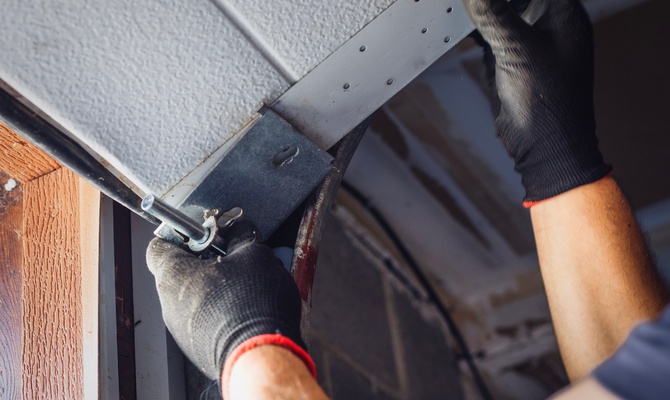
Many homeowners enjoy tackling projects around the house. Painting a room or replacing a light fixture can save money while building useful skills. Garage doors, however, present a different challenge.
Recognizing when garage door repairs become too risky for a DIY fix can help Dixon homeowners avoid injuries and prevent costly damage while keeping one of the largest moving parts of the home operating safely.
Some maintenance tasks fit well into a weekend project. Others involve heavy components, high-tension springs, or electrical systems that require specialized training.
Which Repairs Are Safe to Handle Yourself?
Not every garage door problem requires professional service. Simple maintenance may help extend the life of the door and improve how it performs throughout the year.
Routine Maintenance Can Make a Difference
Homeowners can usually complete a few basic tasks without taking apart the door’s operating system.
These include:
- Cleaning the tracks to remove dirt and debris
- Tightening accessible bolts or brackets
- Lubricating hinges and rollers with a garage door product
- Checking weatherstripping for visible wear
Small jobs like these may reduce noise and help the system move more smoothly. Even so, avoid removing parts if you’re unsure how they affect the door’s balance.
Why Springs Deserve Extra Respect
Garage door springs store a large amount of tension. That stored energy helps lift a heavy door with less effort.
Spring Repairs Require Specialized Tools
A damaged torsion or extension spring can release force without warning. Trying to repair or replace one without the right tools creates a serious safety concern.
If the door suddenly feels much heavier than usual or refuses to stay open, stop using it until someone identifies the cause. Forcing the door may create more damage.
Watch for Warning Signs
Garage doors rarely stop working without giving some warning first. Paying attention to changes in movement or sound can help homeowners address problems sooner.
Don’t Ignore These Changes
A garage door deserves closer inspection if you notice:
- Loud grinding or popping sounds
- Uneven movement during operation
- A door that sticks or reverses
- Frayed lift cables or damaged hardware
Some of these issues involve worn parts. Others may point to spring or balance problems that require professional attention.
Automatic Openers Need Care Too
Modern garage door openers include motors, safety sensors, and electrical components that work together. If the opener struggles to lift the door, don’t assume the motor has failed. A damaged spring or a balance issue may force the opener to work harder than it should.
Reviewing questions to ask before hiring a contractor can help you choose someone with suitable experience and a record of dependable service.
Protect Your Home and Your Family
Many repairs look simple in online videos, yet those demonstrations rarely show the training behind the work. One mistake with high-tension parts or damaged hardware can create a much larger safety problem.
Missouri also places extra demands on garage doors. Temperature shifts and humidity contribute to wear over time. Regular inspections can help Dixon homeowners catch developing issues before they interrupt daily routines.
Make Safety the Priority
Understanding when a DIY garage door repair becomes unsafe to handle alone isn’t about avoiding home projects. It means knowing when professional tools and training offer the safer choice.
Routine maintenance can keep the system working well, but repairs involving springs, cables, door balance, or electrical components deserve extra caution. Choosing the right solution protects your investment and helps your household stay safe.