How Responsible Forestry Management Controls Wildfires
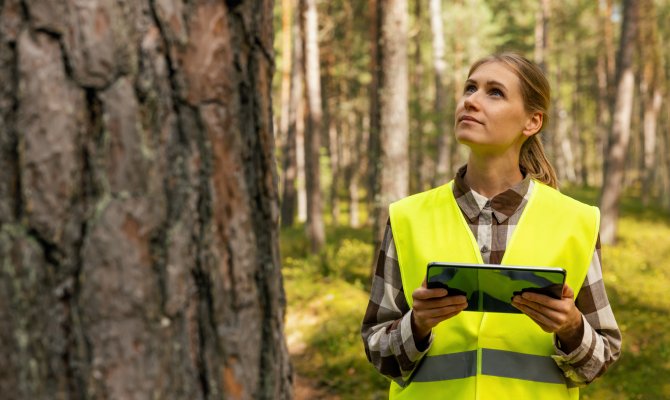
Wildfires are natural disasters that have their place in healthy ecosystems. Even devastating fires can give way to new, healthier forest growth. That said, the frequency of these disasters is increasing due to climate change and human negligence, so their destruction is outpacing their benefits. Fortunately, responsible forestry management controls wildfires, letting them play a part in ecosystem health without destroying surrounding communities or consuming too much land. Read on to learn more.
Clearing Debris and Vegetative Fuel
One of the first steps in managing wildfire risks is clearing out excess debris and vegetative fuel from forests. Dead leaves, fallen branches, and dry underbrush act as kindling, fueling fires and causing them to spread rapidly. Clearing out these materials reduces the likelihood of small flames turning into uncontrollable blazes.
Removing Sick, Fire-Prone Trees
Sick and dying trees are more likely to catch fire and spread flames to healthy vegetation nearby. These weakened trees also become brittle and dry, making them a significant hazard during the wildfire season. Removing them is one of the most important tasks in responsible forestry management. Choosing the right root grapple attachments makes the process more efficient, allowing workers to safely remove hazardous trees without causing additional damage to the ecosystem.
Adding Fire Break Zones
Fire break zones are barriers that can halt or slow the spread of a wildfire. To create these zones, workers remove all vegetation, creating a gap that flames cannot easily jump across. Fire breaks typically surround towns, critical infrastructure, and sections of forests to ensure that if a fire does start, its path is limited.
Keeping Trees Healthy
Healthy forests are naturally more resistant to wildfires. Trees with access to adequate water, sunlight, and nutrients are less likely to dry out or become damaged. Forestry management helps by thinning overcrowded forests, managing pests, and preventing diseases. When the overall forest ecosystem is healthy, it becomes much harder for fires to spread or do lasting damage.
By taking these crucial steps, responsible forestry management can control wildfires and limit their ruinous impact on communities and the environment. Preventative strategies and proactive care make all the difference in protecting our safety and the health of our planet.