Key Ways To Make Sure Your Waste Program Is Effective
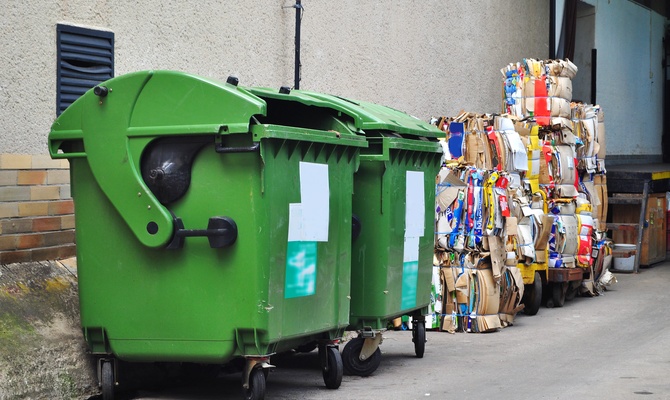
Effective waste management is a vital component of sustainable practices, whether for businesses or municipalities. A well-structured program reduces environmental impact, while improving efficiency, saving costs, and meeting compliance requirements.
But how do you ensure that your efforts are truly making a difference? Below, we’re outlining a few key ways to make sure your waste program is effective.
Conduct a Waste Audit
To start, every successful waste program begins with a clear understanding of what you’re dealing with. A waste audit involves analyzing the types and volumes of waste being generated. This process will help you pinpoint the most significant contributors to waste and identify areas where improvements are necessary.
For instance, you might discover that paper waste dominates in office settings, or you could uncover excessive food waste in a hospitality setup. By taking stock of your waste composition, you make targeted decisions about reduction efforts, recycling initiatives, and resource allocation.
Set Clear Goals and Metrics
A waste program is only successful when there are defined goals to measure its impact. Establishing precise, measurable objectives ensures all team members are aligned with the program’s purpose. Whether your goal is to divert 50 percent of your waste from landfills within a year or reduce single-use plastic usage by 30 percent, make sure these targets are realistic and time-bound.
Use metrics like landfill diversion rates, recycling percentages, or waste volume reductions to track progress. Clear goals provide a road map and turn your waste management vision into actionable steps.
Provide Education and Training
The best waste management strategies fail without proper participation, which makes education and training critical. Employees, residents, or stakeholders involved in your waste program must understand how to sort waste correctly, why it matters, and how their actions affect the broader goals. Providing workshops, simple guides, or even visual signage at waste stations makes the process accessible and easy to follow.
Optimize Waste Collection Systems
The placement of waste bins and the scheduling of collections influence your program’s success. Waste bins should be conveniently located, clearly labeled, and aligned with the categories outlined in your plan. For example, a cafeteria lacking separate bins for organics, recycling, and general waste will naturally have lower sorting efficiency.
Collection schedules should also be designed based on waste volume data to avoid overflow or underuse. An optimized system ensures an organized approach that minimizes errors and promotes active participation.
Regularly Monitor and Evaluate
Waste management isn’t a one-and-done activity. To keep your program running smoothly, you’ll need consistent monitoring and regular evaluations. Analyze data like weight tickets, waste hauler reports, and feedback from participants to assess whether you’re inching closer to your targets or areas that need tweaking.
For instance, a spike in general waste despite ample recycling options could indicate confusion about sorting at the bin level. By tackling waste issues as they arise, you ensure your program evolves and remains effective over time.
Creating and implementing a waste management program requires a proactive attitude and continuous fine-tuning. Each of the strategies explored above is essential to building a solid foundation for long-term effectiveness. From conducting audits to ensuring ongoing evaluation, these steps will help your waste program drive meaningful results.