Dos and Don’ts for Your First Fire Line Shelter Drill
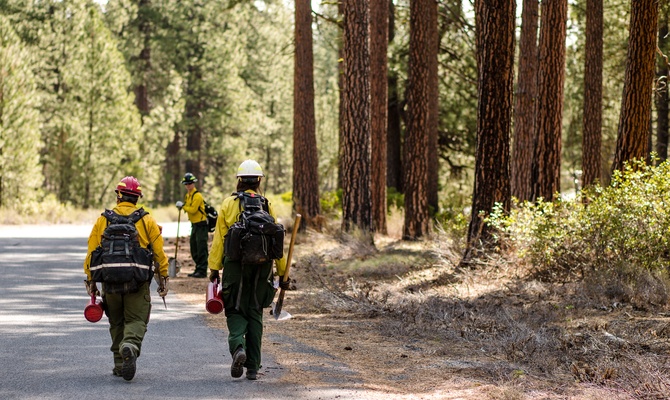
Fire shelter drills represent one of the most crucial components of wildland firefighter training. These exercises prepare firefighters to deploy life-saving equipment when escape routes disappear and safety zones become unreachable. While fire shelters serve as last-resort protection, proper deployment techniques can mean the difference between survival and tragedy. This drill demands serious attention—your life depends on getting it right.
Why Fire Shelter Drills Matter
Fire shelters protect firefighters when all other safety options fail. Realistic, repeated practice builds muscle memory and reduces hesitation during emergencies. Understanding the evolution of fire shelters helps you grasp their strengths and limits, making mastery of deployment essential. Each drill sharpens your survival instincts and prepares you for the unthinkable.
Do: Practice With Purpose
Preparing for your fire shelter drill means training with intention and focus.
Recreate Realistic Conditions
Effective training demands realistic scenarios that mirror actual wildfire conditions. Practice deployment on varied terrain including uphill slopes, downhill grades, and rocky surfaces. Simulate fatigue by conducting drills after physical exertion and practice in limited visibility conditions when possible. Always use the same protective gear you wear during actual fire suppression operations. These conditions prepare you for the chaos and physical demands of real entrapment scenarios.
Time Yourself
Speed matters during actual emergencies, but accuracy remains paramount. Track your deployment times during each practice session and work steadily toward improvement. Establish personal benchmarks and challenge yourself to meet faster deployment goals without sacrificing proper technique. Remember that every second counts when fire approaches your position.
Review Deployment Steps
Consistent repetition builds muscle memory that saves lives during high-stress situations. Practice every step: shelter removal from case, proper unfolding technique, correct orientation to wind and fire direction, and complete deployment sequence. Master the prone position with face down and feet pointing toward approaching fire. Each repetition strengthens your response when adrenaline floods your system.
Don’t: Treat It Like a Check-the-Box Task
Successful fire shelter drills require more than just going through the motions—they demand focus and intentional effort.
Don’t Skip the Mental Side
Dos and don’ts for your first fire shelter drill include acknowledging the psychological challenges of deployment. Stress and fear create natural responses that drills help you manage effectively. Practice visualization techniques during training sessions and focus on controlled breathing while deploying your shelter. Mental preparation proves just as important as physical skill development.
Don’t Rush Without Accuracy
Fast deployment means nothing if your shelter deploys incorrectly or incompletely. Mistakes during practice sessions provide opportunities for immediate correction and improvement. Take time to ensure proper technique before focusing on speed improvement. Accuracy builds confidence that carries into real emergency situations.
Don’t Ignore Site Selection
Choosing appropriate deployment locations forms a critical part of effective shelter use. Practice identifying suitable sites while considering fire behavior, wind patterns, and terrain features. Understanding landscape factors helps you make better decisions when seconds matter most.
Fire shelters offer no guarantees, but proper training significantly improves your survival odds during entrapment situations. Approach each practice session with the seriousness it deserves—because one day, your training might save your life. Dos and don’ts for your first fire shelter drill become survival skills through dedicated, ongoing practice that never ends.