Technology’s Impact on Aviation Safety and Security
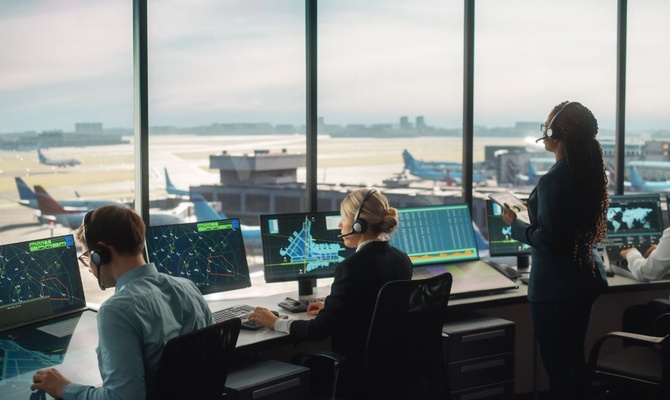
Technology continues to have a revolutionary impact on aviation safety and security worldwide. With advancements such as AI-powered monitoring and predictive analytics, the industry is better equipped to prevent potential issues before they arise. Modern aircraft systems now rely on smart tools and automated processes to detect risks, respond quickly to emergencies, and ensure smooth, secure travel for passengers and cargo alike.
Navigation and Weather Systems
Advanced navigation systems can guide aircraft with pinpoint accuracy. GPS technology eliminates the guesswork that pilots once faced when determining their position. Weather radar provides real-time data about storm systems, allowing flight crews to avoid dangerous conditions. These innovations significantly reduce navigation-related accidents.
Airport Security Enhancements
Airports also rely on technology to strengthen security. Biometric identification systems, such as facial recognition and fingerprint scanning, streamline passenger verification while maintaining strict security standards. Automated baggage screening systems detect prohibited items and potential threats more accurately than manual inspections. These technologies speed up boarding processes and reduce the risk of dangerous materials entering secure areas. Ground personnel also use advanced communication networks to coordinate responses during emergencies, ensuring rapid action when needed.
Chemical Storage and Safety Protocols
Proper chemical management remains critical for aviation safety. Aircraft require various chemicals for deicing, cleaning, and maintenance operations. Hazmat storage solutions for the aerospace industry must comply with strict regulatory standards to prevent accidents and environmental contamination.
Digital inventory management systems track hazardous materials from procurement to disposal. These systems ensure compliance with government regulations and maintain detailed records of chemical usage and storage conditions. Automated monitoring alerts facility managers when storage temperatures deviate from safe ranges or when chemical containers approach expiration dates.
Cybersecurity Upgrades
Cybersecurity is a core component of aviation safety. Modern aircraft systems, airport networks, and airline databases are highly interconnected, creating potential targets for hackers. Cybersecurity protocols protect these systems from malicious attacks that could compromise aircraft safety. Multilayered security frameworks encrypt communication channels between aircraft and ground control.
Automated Safety Systems
Flight management systems continuously monitor aircraft performance parameters during operations. These systems automatically adjust flight paths to avoid turbulence, reduce fuel consumption, and maintain safe separation from other aircraft. Ground proximity warning systems provide pilots with immediate alerts when aircraft approach dangerous terrain or obstacles.
Collision avoidance systems use transponder data and radar information to calculate potential conflicts with other aircraft. When the system detects a possible collision, it provides pilots with maneuvering instructions to maintain safe separation.
Data Analytics and Predictive Maintenance
Advanced data analytics is also improving aviation safety. Airlines collect massive amounts of flight and maintenance data, which predictive algorithms analyze to identify patterns and forecast potential issues. Predictive maintenance helps airlines schedule repairs before problems escalate, reducing downtime and preventing safety risks.
Maintaining Excellence Through Technology
Technology’s impact on aviation safety and security continues to reshape how the industry protects passengers, crews, and cargo. By integrating advanced systems, the aviation sector maintains rigorous safety standards and responds swiftly to potential threats. As these technologies evolve, they ensure aviation remains one of the safest modes of transportation worldwide.