How Climate Change Impacts Livestock Care
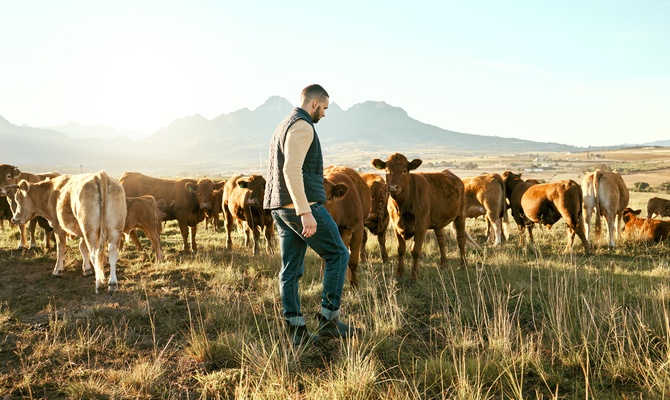
Missouri’s shifting weather patterns bring new challenges for farmers in raising healthy animals. Intense heatwaves and unpredictable weather, caused by climate change, directly impact livestock management.
Climate change impacts on livestock care help you adapt to these changes and protect your animals. Adjustments are needed for everything from feeding to shelter to ensure their safety and productivity.
Prepare for Heat Stress
Higher temperatures pose a significant health risk to livestock. Heat stress can reduce growth rates, lower milk production, and affect reproduction. Missouri summers now feature more frequent and intense heat waves, making proactive management necessary.
Here are some strategies to mitigate heat stress:
- Provide Ample Shade: Natural shade from trees works well. You can also build simple shade structures in pastures.
- Improve Ventilation: Open barn doors and windows to increase airflow. Fans in enclosed areas circulate air and help keep animals calm.
- Offer Fresh Water: Animals drink more water in hot weather. Place extra water troughs in shaded areas and check them often to keep them clean and complete.
Adjust Feed and Nutrition
Climate shifts alter the nutritional quality of forage. Higher carbon dioxide levels can lower the protein content in grasses and other pasture plants. This change may require you to adjust your herd’s diet to meet their nutritional needs.
Warmer seasons also change grazing habits. In extreme heat, animals often graze less, leading to weight loss and nutritional deficiencies. You may need to provide extra feed to compensate for this. Be aware of common horse feeding mistakes, such as neglecting quality forage, which can exacerbate health problems. Good nutrition helps animals stay strong.
Manage Water Resources
Drought and shifting rainfall patterns can impact your water supply. Ponds and streams might dry up, and wells could be strained. Conserving water and securing a reliable source are top priorities for any livestock operation.
To do this, check for and repair leaks in pipes and troughs, and consider options like rainwater harvesting to capture and store water for later use.
Address New Health Concerns
A warmer climate can expand the range of pests and diseases that affect livestock. Ticks and other insects may thrive for more extended periods, increasing the risk of transmission. The way climate change impacts livestock care includes staying vigilant for new health issues. Work with your local veterinarian to develop a proactive health plan that addresses these evolving threats.