The Impact of Lighting on Your Hydroponic Garden
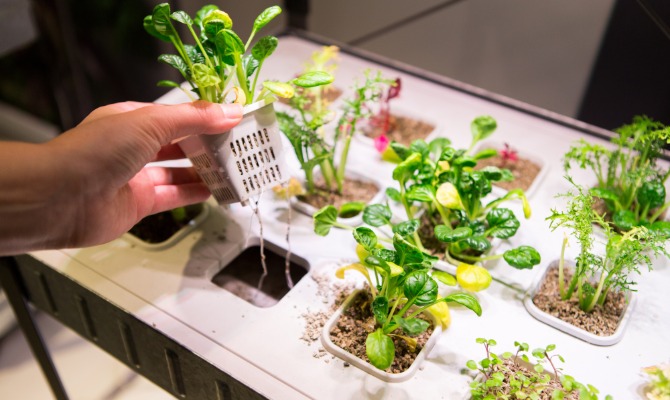
Understanding the impact of lighting on your hydroponic garden is crucial if you want consistent growth, strong yields, and healthy plants. Unlike traditional soil gardening, hydroponic systems rely entirely on controlled environments, which makes lighting one of the most influential factors in plant development. When you manage lighting correctly, you create ideal conditions that maximize both quality and productivity.
Why Light Drives Plant Growth
Light acts as the primary energy source for plants, enabling them to convert nutrients and water into usable energy through photosynthesis. In hydroponics, this process becomes even more important because plants do not have access to natural sunlight unless you provide it. When plants receive the right amount of light, they grow faster, develop stronger structures, and produce higher yields.
Different wavelengths of light influence plant behavior in specific ways. Blue light supports leafy growth and helps plants stay compact and sturdy, while red light encourages flowering and fruit production. By understanding how these spectrums work, growers can tailor lighting conditions to match each stage of growth and improve overall plant performance.
Choosing the Right Lighting System
Selecting the appropriate lighting system can make a noticeable difference in how your hydroponic garden performs. LED lights have become widely popular because they offer energy efficiency, long lifespans, and the ability to customize light spectrums. They also generate less heat, which helps maintain a stable growing environment.
Fluorescent lighting works well for seedlings and smaller plants but lacks the intensity needed for larger crops. High-intensity discharge lights provide strong output but require careful temperature management due to heat production. Regardless of the type you choose, lighting remains an essential component every hydroponic system needs to support plant health and productivity.
Balancing Light Intensity and Timing
Managing how much light your plants receive and for how long is key to avoiding common growth problems. Too much light can stress plants, causing leaf damage and dehydration, while too little light leads to weak growth and reduced yields. Most plants benefit from a consistent light schedule that aligns with their natural growth cycles.
Growers should also pay attention to the distance between the light source and the plants. Placing lights too close can create excessive heat, while placing them too far away reduces their effectiveness. Making small adjustments over time allows you to maintain the right balance and keep plants thriving throughout their lifecycle.
Maintaining Consistency for Better Results
Consistency is one of the most important factors in a successful hydroponic system. Plants respond best to predictable lighting schedules that mimic natural day and night cycles. Sudden changes in light exposure can interrupt growth and reduce overall performance.
Using timers and automated systems helps ensure that your lighting remains steady and reliable. This level of control improves plant health and creates uniform growth across your garden, making it easier to manage and harvest your crops efficiently.
Creating Optimal Growth Conditions With Light
Mastering the impact of lighting on your hydroponic garden gives you the ability to create an environment where plants can consistently thrive. By controlling light intensity, spectrum, and timing, you support every stage of plant development and improve both quality and yield. Thoughtful lighting strategies transform your hydroponic setup into a highly efficient system that delivers dependable and rewarding results.