Horse Riding: A Hobby That Requires Financial Planning
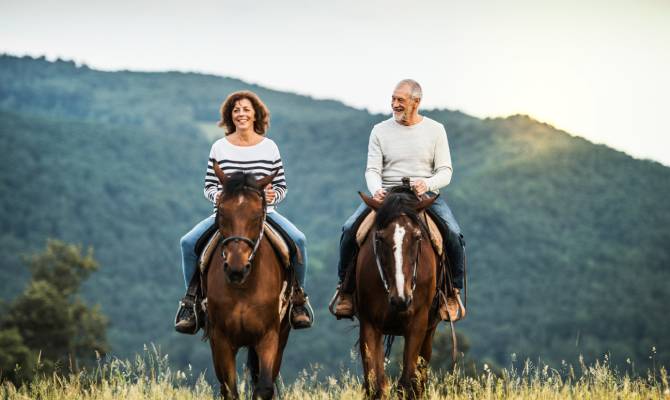
As you approach retirement, you need to consider the hobbies that will enrich your life. Horse riding is a popular and rewarding activity for retirees, offering physical, mental, and emotional benefits.
However, like any hobby, horse riding comes with financial responsibilities. Horse riding requires financial planning to ensure you can enjoy the hobby without straining your retirement savings.
Why Horse Riding Is a Great Hobby for Retirees
Horse riding offers numerous advantages for retirees. It’s a low-impact exercise that improves balance, strength, and cardiovascular health.
Additionally, it allows you to foster a connection with nature and animals, helping to reduce stress and provide calmness. Many retirees find riding an ideal way to maintain an active lifestyle while embracing the joy of the outdoors.
Horse Ownership: How Expensive Can It Get?
Horse ownership, while rewarding, comes with significant expenses. From the cost of the horse itself to boarding, feed, veterinary care, and farrier services, the financial commitment can add up quickly.
A quality horse can cost anywhere from a few thousand to tens of thousands of dollars, depending on the breed, training, and condition. On top of that, ongoing costs such as stable fees, insurance, and maintenance for equipment like saddles and tack are necessary considerations. Don’t forget about the different horse trailers to consider, as they’re essential for transporting your horse safely and comfortably.
Ways To Lessen the Cost of Horse Ownership
There are ways to enjoy horse riding without breaking the bank. Leasing a horse instead of buying one is an excellent way to experience horse riding without making a full financial commitment.
Additionally, joining a co-op or shared barn arrangement can reduce the cost of boarding and horse care. Purchasing used tack and equipment can also lower expenses while providing quality horse gear. Lastly, you should consider group lessons or discounted riding sessions to reduce the costs of training and riding.
Factoring in Horse Ownership When Creating a Retirement Savings Plan
If you’re serious about making horse riding a part of your retirement, you must factor in the costs when planning your retirement savings. You’ll need to estimate the expenses of horse ownership over the long term and build them into your budget.
Ensure your nest egg can comfortably cover these costs and other retirement expenses. Being realistic about how much horse riding and ownership will cost in the future will help you make informed decisions about your financial plan.
Proven Investment Strategies That Will Help You Grow Your Nest Egg
Growing your nest egg with proven investment strategies can make horse riding a feasible retirement hobby. Diversifying your portfolio, investing in low-cost index funds, and avoiding risky decisions with your retirement savings will help you sustain the funds to enjoy your hobby for many years.
Additionally, understanding the actions to avoid with your retirement money—like making early withdrawals or investing in high-risk assets—can protect your savings and give you peace of mind during retirement.
Horse riding is a hobby that requires financial planning. By factoring in the cost of horse ownership and incorporating sound investment strategies into your retirement plan, you can have a secure and enjoyable retirement and enjoy horse riding throughout your golden years.