The Role of Technology in Wildland Firefighting
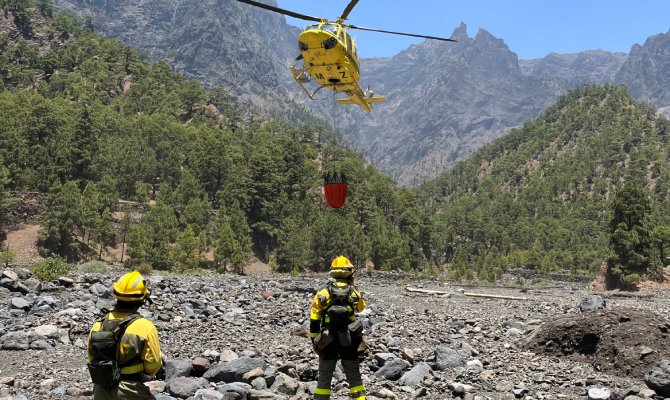
Wildland firefighting has always demanded a mix of expertise, physical endurance, and bravery. However, with growing wildfire intensity and unpredictable conditions, tools and systems rooted in innovation have become essential allies. The role of technology in wildland firefighting is now more important than ever, redefining how firefighters battle flames, anticipating risks, and ensuring safety.
Advanced Firefighting Gear
The evolution of firefighting tools begins with better gear. Protective equipment like jackets, helmets, and boots have benefited substantially from new materials and tailored designs. For example, fire-retardant fabrics offer enhanced protection from heat without compromising mobility. Modern technology in firefighting gear, such as advanced materials in protective clothing and boots, helps wildland firefighters stay safe by offering better heat resistance, durability, and comfort. Wearing proper gear is one of the top safety tips every wildland firefighter should follow.
Innovative tools also make a difference in critical moments. Fire shelters have become lighter and more resistant to extreme heat, giving firefighters crucial seconds of protection during high-risk situations. Similarly, portable fire pumps with enhanced water distribution systems and efficient power sources enable better performance, often saving lives in challenging terrains.
Enhancing Communication and Coordination
Behind every successful firefighting operation lies seamless teamwork and communication. Satellite technology and drones allow firefighters to track fire spread, pinpoint hot spots, and anticipate shifts in real time. Drones, in particular, play a pivotal role in reaching inaccessible areas, ensuring firefighters have the data they need without risking their own safety.
Digital communication tools are another game-changer for wildland firefighting teams. Modern radios, mobile apps, and wireless systems allow rapid coordination across vast landscapes. With reinforced connections and fewer interruptions, firefighters on the ground can respond faster, helping teams operate more effectively under tight timelines.
Predicting Fire Behavior and Early Detection
The application of predictive technology is profoundly impactful when facing volatile wildfires. By analyzing environmental factors such as terrain, weather, and fuel sources, fire behavior models forecast potential changes, enabling authorities to develop data-driven strategies for containment. These models optimize planning and resource allocation, minimizing damage while prioritizing safety.
Similarly, modern monitoring systems equipped with sensors provide early detection capabilities. Devices sensing abrupt environmental changes, such as rising temperatures or reduced moisture levels, trigger alerts well before fires fully develop. This proactive approach reduces response time, protecting both communities and those fighting on the frontlines.
Safety Innovations for Firefighters
Beyond extinguishing flames, technology ensures that firefighters themselves remain protected. GPS location tracking, wearable temperature monitors, and health sensors significantly reduce risks by providing supervisors with real-time data on crew members’ conditions and whereabouts. When heat exposure or fatigue levels are high, these tools guide better decisions, creating safer operations overall.
The combined effect of these innovations underscores the role of technology in wildland firefighting, which improves efficiency, adaptability, and safety. By staying informed and adopting modern solutions, firefighters and organizations can continue meeting the growing challenges posed by wildfires, ensuring life and land are preserved.