Answering 4 Frequently Asked Questions About Cremation
While many of us associate funerals with burials, cremations are becoming more common across the country for various reasons. Despite their increasing presence, many still don’t understand many facets of cremation. In this guide, we’ll be answering some frequently asked questions about cremation, from how it works to funeral service options and more.
How Does Cremation Work?
Cremation is the process of reducing a body to ashes through high-temperature heat. It typically takes place in a special furnace called a cremator. The result of the process produces a fine powder, which are the ashes.
This method is an alternative to traditional burial and is widely chosen for its simplicity and cost-effectiveness. Many families also appreciate the flexibility cremation offers, as it allows them to decide how and where to honor their loved ones without the immediate constraints of burial services.
Are There Different Types of Cremation?
Yes, there are different methods of cremation. Traditional cremations typically include a service before the cremation, incorporating elements like viewings, religious ceremonies, or tributes. Direct cremation skips all ceremonial proceedings and is the most cost-effective option, cremating the body shortly after passing. This straightforward choice suits families planning a memorial or scattering ceremony at a later time.
Eco-friendly cremations are becoming popular with environmentally conscious individuals. These services focus on reducing the carbon footprint by using methods like water-based cremation (alkaline hydrolysis) or opting for biodegradable urns.
Can You Have a Funeral Service for Cremation?
Another frequently asked question about cremation that we can answer is whether it’s acceptable to have a funeral service. Yes, incorporating a funeral or memorial service with cremation is not only possible but also common. Families can hold a service before, during, or after the cremation to honor their loved one and create a space for remembrance.
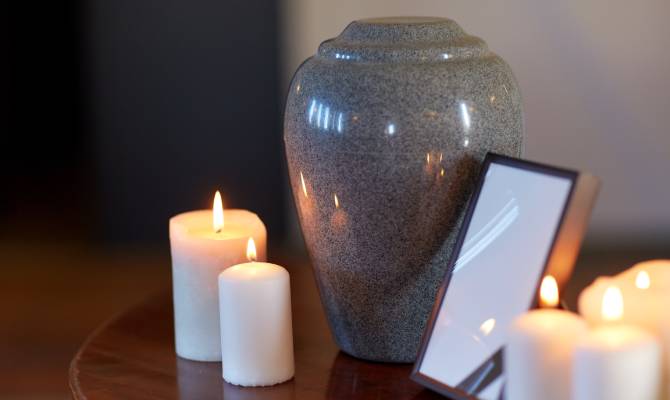
Alternatively, a memorial service can take place after the cremation, offering flexibility to tailor the event to the family’s preferences. This service can be held at a location of their choice, such as a place of worship, a home, or even outdoors. The ashes, often present in an urn or commemorative container, serve as a symbol of the departed’s memory.
What Can You Do with Ashes After Cremation?
After cremation, families have many options for honoring their loved one’s memory. Ashes can be kept in an urn at home or another meaningful location, offering comfort and a tangible connection. Many choose to scatter ashes in a significant place, like a favorite nature spot, a body of water, or family property.
Some will split up the ashes and distribute them to loved ones so each can have a piece of the loved one for themselves. You can even ship cremated remains domestically and internationally with the right paperwork for loved ones who couldn’t attend the funeral. For more unique tributes, friends and family can incorporate the ashes can into jewelry, art, or plant them under a tree with a biodegradable urn.
Moving Forward with Confidence
Cremation provides families with a flexible way to honor a loved one’s legacy. Understanding the process and options can bring peace of mind, whether planning for yourself or someone else. For guidance, connect with a funeral planning expert who can answer questions, explain options, and help you choose the best path forward.