Signs of Wear and Tear in Hydraulic Components
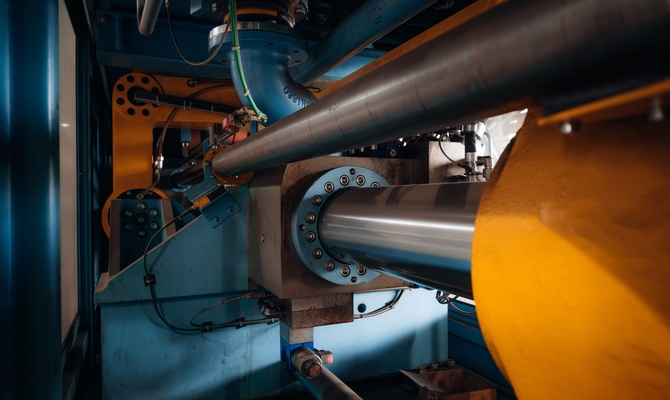
Hydraulic components are vital in powering machinery and equipment across various industries. They rely on pressurized fluids to deliver the force and precision required to operate systems efficiently. Over time, these components face wear and tear due to extensive use, and overlooking early signs can lead to severe equipment failure. Recognizing these indicators can save time and money and prevent potential safety risks. Below, we explore the top five signs of wear and tear in hydraulic components you should watch out for.
1. Fluid Leaks
Spotting fluid leaks is one of the most common signs of wear in hydraulic systems. Leaks often indicate a damaged seal, connection, or hose. Even a small amount of fluid escaping can disrupt pressure levels, causing the system to malfunction. After observing operations, check thoroughly for puddles, drips, or residue around hoses, seals, or valves. Using high-quality hydraulic fluid and maintaining proper fluid cleanliness levels can help minimize the chances of leaks worsening over time. Address leakage promptly to prevent further damage or loss of efficiency.
2. Unusual Noises
Hydraulic systems should operate smoothly without unexpected noises. Banging, whining, or knocking sounds could signal air contamination, cavitation, or damage to components like pumps, valves, or cylinders. Air entering the system results in noisy and irregular operations, reducing reliability. You can mitigate this issue by inspecting air filters and connections and replacing worn-out parts. When operating hand-powered hydraulic jacks safely, take an extra moment to listen for any irregular sounds that could indicate an issue.
3. Decreased Performance
When a hydraulic system no longer performs at its usual efficiency, it is time to assess its components. Slower operation speeds, inconsistent pressure levels, or erratic movements often highlight wear and tear. This performance drop could stem from worn-out seals, clogged filters, or internal leakage. Regularly monitoring your system’s performance metrics allows you to detect changes early. Keeping the system clean and components serviced helps maintain consistent levels of peak performance.
4. Overheating
Hydraulic systems depend on maintaining an optimal temperature for effective operation. When fluid or components overheat, it often indicates excessive friction, insufficient lubrication, or a damaged cooling system. Operating while overheating can severely damage components and compromise the entire system. Check for issues like clogged heat exchangers, inadequate airflow, or deteriorated fluid quality. Replacing degraded hydraulic oil and cleaning grime accumulation can help keep temperatures manageable during operations.
5. Visible Damage
Visible damage to hoses, pumps, or seals is an obvious sign of wear and tear that requires immediate attention. Cracks, dents, or fraying on components signal that replacement or repair is necessary. Ignoring visible damage can lead to malfunctions or dangerous equipment failures. Check for signs of tear on external components when checking your machinery. Replacing damaged parts improves overall system reliability and prolongs its lifespan.
Identifying hydraulic component wear and tear allows you to prevent costly downtime or dangerous equipment failures. Regular inspections, high-quality hydraulic oils, and the prompt replacement of worn parts can significantly improve the life and performance of your system. Consider scheduling a preventative maintenance routine with a professional service to avoid these issues. Keep your hydraulic system running at its best for longer.