Choose the Right Storage Systems for Your Warehouse
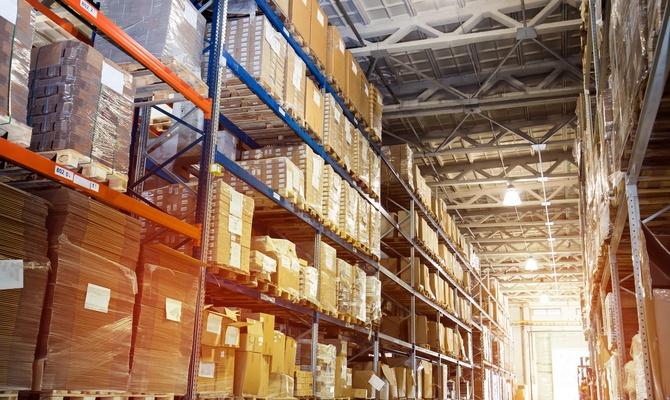
Running an efficient warehouse is all about maximizing space, improving workflow, and reducing unnecessary costs. At the heart of all these objectives lies one crucial element: your storage system. Choosing the right storage strategy can enhance efficiency in a warehouse and improve the daily workflow.
Why Your Warehouse Storage System Matters
Storage systems serve as the backbone of your warehouse operations. Beyond being a place to hold inventory, it ensures workflow efficiency, optimizes available space, and enhances worker safety. Investing in the right system minimizes errors and improves inventory accessibility, saving you time and money in the long run.
Consider Your Warehouse Workflow
Before selecting a storage system, the first step is to analyze the warehouse’s workflow. A well-designed storage system should complement the natural flow of operations. Focus on the type of goods being stored, such as the weight of each item. The movement of inventory can also influence the type of storage system you should use.
Equipment can affect the space required to move items or the distance between shelves. Take into account the equipment used in the warehouse, such as forklifts or pallet jacks, as well as the aisle widths and ceiling heights. You’ll want a storage system that integrates seamlessly into the space and existing operations.
What Type of Shelves to Use?
Shelves set the foundation of your storage system. Each warehouse has unique needs, and your shelving solutions should adapt accordingly. There are multiple types of shelves that could benefit your space, so consider your options wisely.
Adjustable and Fixed Shelving
Adjustable shelving is highly versatile, allowing you to modify shelf heights and configurations to accommodate different sizes and types of inventory. This flexibility is useful in dynamic environments where product sizes or storage requirements frequently change.
In comparison, fixed shelving offers maximum stability and is often better suited for storing uniformly sized or heavy items. These shelves are designed to stay in one configuration and provide a strong and durable solution for static storage needs. They are often less expensive than adjustable shelving and require minimal maintenance over time.
Between these two options, both have benefits for different workspaces. To choose between fixed and adjustable shelving, consider the warehouse’s specific needs. If you need something sturdier, fixed shelves may be the best option, but in dynamic workspaces, adjustable shelves may be more suitable.
Choosing the right storage system is an investment in a warehouse’s productivity and long-term efficiency. By understanding your facility, you will create a well-organized warehouse that supports your operations and adapts to your growth.