3 Things To Consider Before Buying an Air Compressor
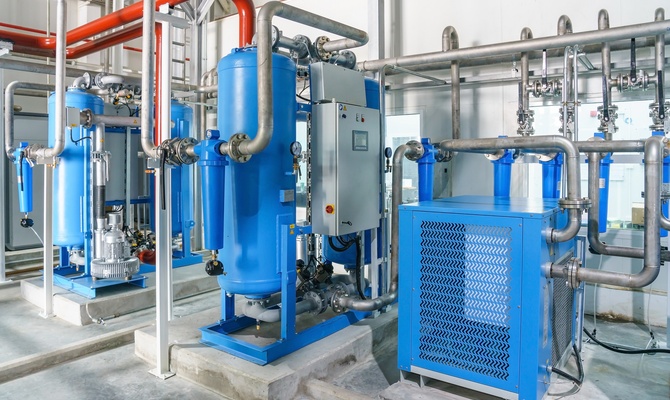
Understanding the key details of air compressors before making a purchase can save you time, money, and frustration. Whether you’re planning to use it for DIY projects, industrial work, or automotive use, there is more to buying an air compressor than just picking the first one that catches your eye. Below, we’ll go over three things to consider before buying an air compressor, ensuring you make a well-informed decision that suits your needs.
Determine Your Power Needs
The first thing to think about when shopping for an air compressor is your power requirements. Air compressors come in a variety of options. They range from low-power models suitable for light tasks, such as inflating tires, to heavy-duty compressors designed for professional-grade tools like nail guns or spray painters. Understanding the type of power you’ll need ensures that the air compressor you choose can handle the tasks you plan to perform. Consider both the kind of work and the frequency of use to guide your selection.
Evaluate Portability Options
Another crucial factor to consider is portability. Depending on your preferred usage, you may need a stationary compressor or one that’s easier to move around. A stationary model works well for garage setups or industrial spaces where it doesn’t need to be frequently moved. On the other hand, portable compressors are better suited for less frequent use or tasks that require flexibility, such as taking your equipment to different sites. Choosing the right portability features depends largely on your typical work environment.
Understand the Types of Compressors Available
Lastly, you’ll need to familiarize yourself with the different types of air compressors on the market. From reciprocating compressors to rotary screw models, each serves a different purpose. Reciprocating compressors are often chosen for home and small workshop use, while rotary screw compressors are better suited for industrial settings due to their continuous operation.
Understanding these differences can ensure you select a product that fits your intended applications. While reviewing options, you might also want to consider getting an extended warranty for added peace of mind.
By considering these three things before buying an air compressor, you’ll be equipped with the knowledge to select the best option for your needs and work environment. Taking a moment to assess your power requirements, portability preferences, and the types of compressors can make all the difference in making the right purchase.