What To Know Before Buying an Air Compressor
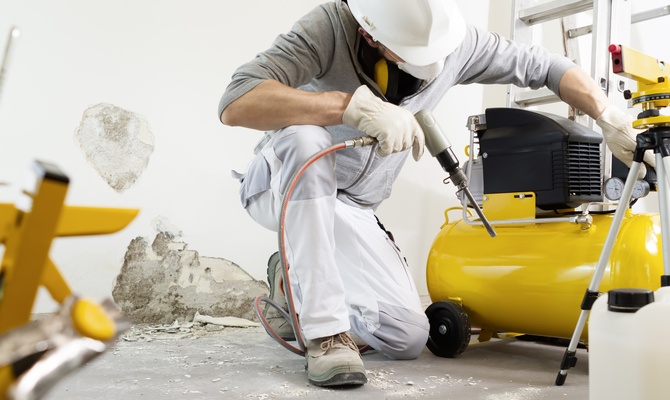
Choosing the right air compressor can mean the difference between smooth project completion and frustrating delays. Whether you’re a weekend DIY enthusiast or a professional contractor, understanding what to know before buying an air compressor will help you make an informed purchase.
Understanding Air Compressor Types
The type of air compressor you choose impacts its performance and suitability for your workspace. Portable air compressors offer excellent mobility and are perfect for jobsites or small workshops with limited space. These units typically weigh between 30 and 100 pounds and are easy to transport in a truck bed or garage.
Stationary air compressors, on the other hand, provide more power and larger tank capacity but require permanent installation. They’re ideal for established workshops where consistent, high-volume air supply is essential. Pancake compressors sit flat and stable, making them excellent for roofing work, while hot dog-style units are narrow and fit easily under workbenches.
Considering CFM and PSI Needs
Your tools determine the cubic feet per minute (CFM) and pounds per square inch (PSI) requirements you’ll need. Most pneumatic tools have specific CFM ratings at certain PSI levels, and your compressor must meet or exceed these specifications.
For example, a typical nail gun requires 2–4 CFM at 90 PSI, while an impact wrench might need 5–8 CFM at the same pressure. Calculate your total CFM needs by adding up all tools you might run simultaneously, then add 30 percent as a safety margin. Inadequate CFM leads to pressure drops and reduced tool performance, while insufficient PSI means tools won’t operate at all.
Evaluating Power Source Options
Electric air compressors dominate indoor applications due to their quiet operation and zero emissions. They’re available in 115V or 230V configurations, with 230V units typically offering more power for demanding applications.
Gas-powered compressors excel in outdoor environments or jobsites without reliable electricity access. They typically produce higher CFM ratings than comparably priced electric units but require proper ventilation and regular maintenance. Consider your primary work environment and power availability when making this crucial decision.
Reviewing Tank Size and Portability Requirements
Tank size directly affects both performance consistency and mobility. Smaller tanks (1–6 gallons) cycle frequently but are highly portable, making them suitable for intermittent tool use. Medium tanks (10–20 gallons) provide better air reserve for moderate usage while remaining reasonably portable. Large tanks (60 gallons or more) offer extended run times and reduced cycling but limit mobility significantly. You can determine air compressor tank size based on your usage patterns and workspace constraints.
Understanding what to know before buying an air compressor is essential to making the best choice for your needs. Consider factors like portability, tank size, and usage demands to ensure the compressor aligns with your specific requirements. Evaluating these aspects carefully will help you select a reliable and efficient air compressor that simplifies your tasks and enhances productivity.