Keep Your Car in Peak Condition This Winter
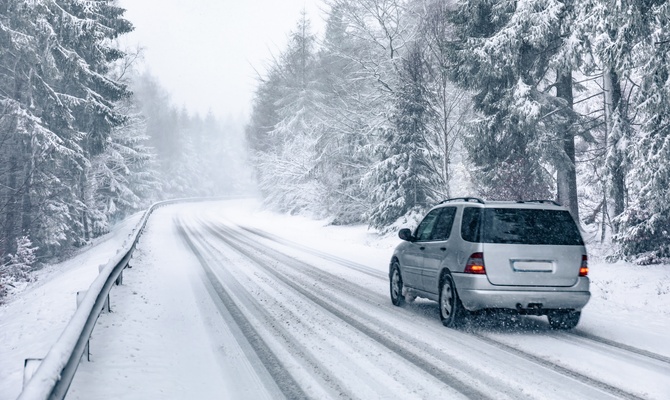
As winter approaches, bringing with it snow, ice, and freezing temperatures, it’s crucial to ensure your vehicle is ready for the challenges ahead. Proper preparation can make the difference between a smooth, safe season and unexpected roadside troubles. This guide will walk you through five essential steps to help you keep your car in peak condition this winter, ensuring both your safety and your car’s longevity.
1. Check Your Tire Pressure
Cold weather causes the air in your tires to contract, leading to a drop in pressure. Underinflated tires can negatively affect your car’s handling, fuel efficiency, and traction on icy roads. Regularly check your tire pressure with a gauge and inflate them to the manufacturer’s recommended level, which you can usually find on a sticker inside the driver’s door jamb. Maintaining proper tire pressure is a simple yet vital step for safe winter driving.
2. Inspect Your Battery
Your car’s battery has to work much harder in cold weather, and its performance can decrease significantly. A weak battery that starts your car without issue in the summer might fail you on a frosty morning. Before winter sets in, have your battery tested at an auto parts store or by a mechanic to ensure it has enough power. Keeping the terminals clean and free of corrosion will also help your battery perform optimally throughout the season.
3. Top Off Your Fluids
Various fluids are essential for your car’s operation, and you should check their levels regularly, especially in winter. Ensure your antifreeze is at the correct level to prevent your engine from freezing. It’s also wise to consider the benefits of using synthetic engine oil in winter, as it flows better at low temperatures, providing superior engine protection. Additionally, switch to a winter-grade windshield washer fluid that won’t freeze on your windshield, ensuring clear visibility during snow or sleet.
4. Test Your Lights and Wipers
Shorter days and inclement weather mean you’ll be relying on your lights and windshield wipers more often. Take a moment to walk around your car and check that all your lights, including headlights, taillights, brake lights, and turn signals, are working correctly. Replace any burnt-out bulbs. Also, inspect your wiper blades for any signs of wear or cracking and replace them if they leave streaks on your windshield. Good visibility is non-negotiable for safe winter driving.
5. Prepare an Emergency Kit
Even with careful preparation, emergencies can happen. Assembling a winter emergency kit can provide peace of mind and essential aid if you get stranded. Your kit should include items like jumper cables, a flashlight with extra batteries, a first-aid kit, warm blankets, and non-perishable snacks and water. Having these supplies on hand can make a difficult situation more manageable until help arrives.
Following these five steps will help you navigate the colder months with confidence. A little proactive maintenance goes a long way to keep your car in peak condition this winter, protecting both you and your investment from the harsh elements.