What New Parents Should Know About the Vitamin K Shot
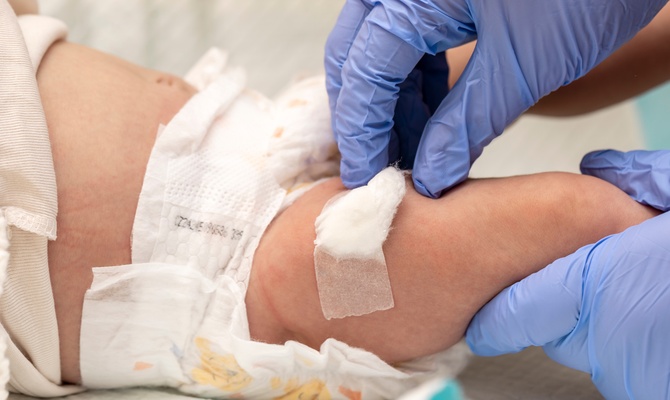
When your baby arrives, one of the first medical decisions you’ll face is whether to give them a vitamin K shot. This quick injection happens within hours of birth, and while it’s routine in hospitals, many parents wonder why it’s necessary and what it does.
Vitamin K plays a critical role in blood clotting. Without it, newborns face a higher risk of dangerous bleeding. Considering the facts can help you make an informed choice for your child’s health. Here’s what new parents should know about the vitamin K shot and its use in newborns.
Why Do Newborns Need Vitamin K?
Babies enter the world with very low levels of vitamin K. Unlike other essential nutrients that pass easily through the placenta, vitamin K doesn’t transfer well from mother to baby during pregnancy. Breast milk also contains only small amounts, leaving newborns vulnerable during their first few months of life.
This deficiency puts infants at risk for vitamin K deficiency bleeding (VKDB), a serious condition that can cause internal bleeding in the brain, organs, or other areas. VKDB occurs in roughly 1 in 10,000 babies who don’t receive the vitamin K shot at birth.
What Does the Vitamin K Shot Prevent?
The injection protects against three types of bleeding:
- Early VKDB happens within 24 hours of birth and often results from medications the mother took during pregnancy.
- Classic VKDB occurs between days two and seven, typically showing up as bruising or bleeding from the umbilical cord.
- Late VKDB develops between two weeks and six months and can cause life-threatening brain bleeding.
Late VKDB poses the greatest danger. It often strikes without warning and can lead to permanent brain damage or death. The vitamin K shot virtually eliminates this risk.
How Does the Shot Work?
Healthcare providers give the injection into your baby’s thigh muscle shortly after birth. The shot contains a single dose of vitamin K that provides protection for several months while your baby’s body learns to produce the vitamin naturally and eventually receives it from solid foods.
The injection site may look slightly red or feel tender for a day or two, but serious side effects remain extremely rare. Decades of research and millions of doses confirm the shot’s safety profile.
What About Oral Vitamin K?
Some parents ask about oral vitamin K as an alternative. While available in certain countries, oral doses require multiple administrations over several weeks and don’t protect as reliably as the injection.
As such, babies may spit out the liquid or vomit it up, which leaves them vulnerable. The American Academy of Pediatrics (AAP) recommends the injection as the most effective option.
Planning for Birth at Home
If you’re preparing newborn care supplies for a home birth, discuss the vitamin K shot with your midwife ahead of time. Most midwives carry vitamin K and can administer it shortly after delivery. Having this conversation early ensures you’re ready to make an informed decision when your baby arrives.
Your midwife can also help you understand how the injection fits into your birth plan and answer any questions about timing or administration.
Talk with your healthcare provider if you have concerns. They can walk you through the research, explain the risks of skipping the shot, and help you feel confident in your choice. Your baby’s first moments set the foundation for a healthy start, and this simple injection offers powerful protection. As a new parent, it’s important you make informed decisions regarding vitamin K shots.