How To Choose the Right Haircutting Shears for Your Style
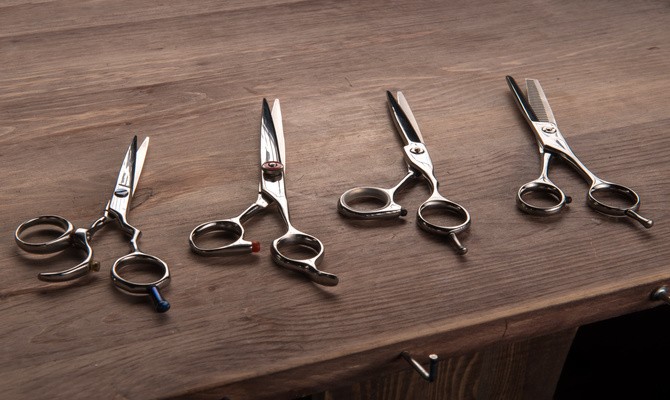
We’ve all been there—standing in front of the bathroom mirror at 2 AM with a pair of dull kitchen scissors, convinced we can give ourselves “just a little trim,” but it never looks how we planned it in our head. That’s because the tool you use is what makes the difference between a salon-worthy refresh and a frantic call to your stylist the next morning.
Whether you are looking to save money by mastering DIY trims or you’re a budding pro starting your kit, finding the right haircutting shears for your style is your first step toward excellence. Let’s break down exactly what you need to look for so you can snip with confidence.
Consider Your Cutting Style and Needs
First, be honest about how often you’ll actually use these. If you are strictly a “trim the split ends once a month” kind of person, you don’t need to drop hundreds of dollars. For at-home maintenance, prioritize lightweight, ergonomic shears. You want something that feels natural in your hand so you don’t accidentally chop off more than intended.
However, if you are stepping into a professional role or plan to do complex cuts on friends, look for specialized shears that offer precision and versatility. You need tools that can handle sliding cuts and point cutting without snagging or bending the hair.
Blade Types and Their Impact
The edge of the blade is the main factor in how hair gets cut, so choose a pair of haircutting shears that’ll make the process less frustrating. Convex blades are incredibly sharp and hollow-ground, making them the gold standard for smooth, precise cuts and advanced techniques like slide cutting. They glide through hair like butter but require a steady hand and regular maintenance.
On the other hand, beveled edges are durable and hold hair well on the blade, making them a solid choice for blunt cuts. If you are a total beginner who’s terrified of the hair slipping away while you cut, look for micro-serrated blades. These have tiny teeth that grip the hair strand, ensuring a straight, confident cut every time.
Handle Design for Comfort
Comfort isn’t just a luxury; it’s a necessity to prevent hand fatigue and potential injury. While classic handles feature equally sized finger holes and a straight alignment, they often force your elbow up, which can get tiring quickly.
Offset handles are incredibly popular because they allow a more open hand position, lowering your elbow and relaxing your shoulder while you work. For maximum comfort, crane handles angle the thumb ring downwards even more. If you plan on cutting hair for more than ten minutes, your wrist will thank you for choosing an ergonomic offset or crane design.
Material and Durability
Finally, consider what the shears are made of. Japanese steel is legendary in the hair world for its ability to hold a razor-sharp edge for a long time, though it comes with a higher price tag. Stainless steel is a fantastic, durable option that resists rust and is generally more affordable for those building a budget-friendly kit.
Regardless of the durability of the material you choose, your shears will wear out eventually. That’s why you need to make sure you know how to maintain your haircutting shears. That way, they’ll last for many years to come.