How To Prepare for a Horizontal Directional Drilling Bore
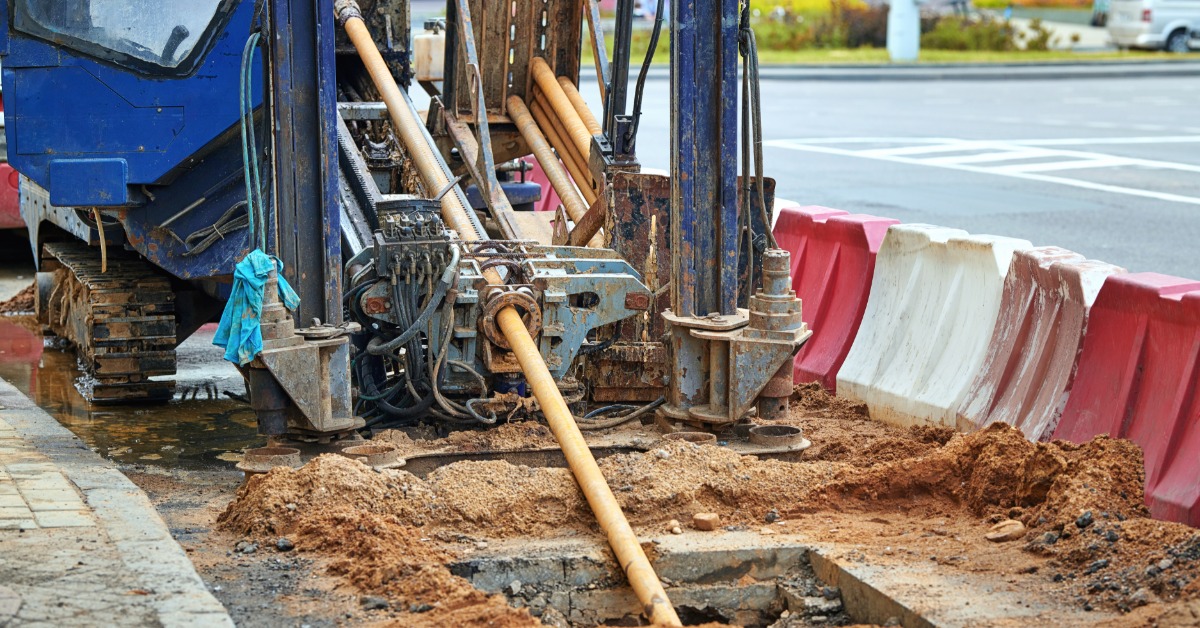
Preparing an HDD project takes more than positioning a drill rig and selecting a route. Crews must understand site conditions, identify underground conflicts, plan the bore path, and coordinate field activities before drilling begins. Knowing how to prepare for a horizontal directional drilling bore helps contractors reduce avoidable delays, protect existing infrastructure, and create conditions for controlled installation from entry to exit.
Review the Project Scope and Installation Requirements
Preparation starts with a clear understanding of what the bore must accomplish. The project team should review the planned installation, including the product pipe or conduit, required bore length, target depth, and entry and exit locations.
Crews should also review construction drawings and project specifications before arriving at the site. Resolving those concerns early helps the crew avoid making rushed decisions after mobilizing equipment.
Investigate Existing Underground Utilities
Existing utilities represent one of the most important considerations during bore preparation. Contractors should arrange required utility locating and review available records for infrastructure along the proposed path. Field markings provide valuable guidance, but crews should not assume every buried line appears exactly where records indicate.
The project team may need to verify critical utility locations using appropriate exposure methods before drilling. Knowing the horizontal position and depth of nearby infrastructure allows the bore planner to establish safe clearances. Careful verification prevents utility strikes during HDD operations and gives drill operators better information when navigating congested areas. If markings become damaged or unclear, crews should address the issue before continuing work rather than relying on memory.
Evaluate Ground and Soil Conditions
Soil conditions directly affect how a horizontal directional drilling bore progresses. Sand, clay, gravel, rock, and mixed formations can respond differently to drilling tools and fluid. A crew that understands the expected formation can choose equipment suited to the ground instead of reacting after production problems develop.
Site investigation can also identify groundwater concerns or unstable areas that may influence drilling. When conditions remain uncertain, crews should plan for possible changes and make sure suitable tooling is available.
Understanding the formation also helps with drilling fluid planning. The crew can anticipate how much fluid the bore may require and how it will handle returns at the surface.
Design a Practical Bore Path
A well-planned bore path gives the operator a realistic route between the entry and exit points. The design should account for required depth and the allowable bend radius of the installed product. It must also provide appropriate separation from existing utilities and other underground features.
Entry and exit angles deserve careful attention because they affect drilling and pullback. An overly aggressive path can place unnecessary stress on tooling or the product. The design should work within the capabilities of the drill rig while meeting project requirements.
Crews should transfer the planned path accurately to the field. Clear reference points help the drill operator and locating personnel understand where the bore should travel as work progresses.
Choose the Right Drill Rig and Tooling
Equipment selection should match the length of the bore and expected ground conditions. The drill rig needs enough thrust and pullback capacity to complete the installation without operating beyond practical limits.
Tooling should reflect the expected formation. The selected drill head needs to steer effectively while advancing through the ground. Reamers should support the required final bore diameter and expected soil behavior.
Addressing worn components or fluid-system problems before setup reduces the chance of preventable downtime during the bore. The crew should also inspect hoses, connections, and tracking equipment to confirm they are ready for field use.
Plan Drilling Fluid and Spoil Management
Drilling fluid supports the bore by carrying cuttings and helping stabilize the opening. Before work starts, the crew should determine how to mix and supply fluid during drilling. Water availability and mixing capacity should align with the anticipated demands of the project.
The site also needs a plan for containing returns and managing spoil. Crews should consider how they will remove excess fluid without allowing it to spread across the work area.
The team should understand the response procedure if drilling fluid reaches an unintended area. Necessary containment materials should remain accessible.
Prepare the Entry and Exit Areas
The drill rig needs stable positioning at the entry point. Crews should establish a level work area that supports the machine and allows operators to maintain the planned entry angle. Adequate space around the rig also improves access for handling drill rods and servicing equipment.
The exit area requires preparation as well. Crews may need room for tooling changes and product staging before pullback begins. The layout should allow the product to enter the bore smoothly without sharp bends or unnecessary dragging.
Establishing designated work zones helps keep equipment movement predictable. It also makes it easier for the crew to maintain control of the bore area.
Coordinate the Crew Before Drilling
Everyone involved in the bore should understand the planned route and individual responsibilities. The drill operator and locator need a reliable communication method because steering decisions depend on timely information. Other crew members should know when they can approach equipment and where they should remain during active drilling.
A pre-bore meeting gives the team an opportunity to review site-specific concerns. Crews can discuss known utility crossings and any locations that require added attention. They can also confirm how work will stop if unexpected conditions appear.
Clear coordination extends beyond the drilling crew. When a project affects property owners, traffic, or other contractors, advance communication can prevent conflicts that interrupt operations.
Verify the Plan Before the Pilot Bore
A final field check helps confirm that preparation matches actual conditions. Crews should walk the proposed alignment and compare markings with the bore plan. They should verify that required utility exposures are complete and that the rig sits in the correct position.
The team should also confirm that locating equipment functions properly before the drill head enters the ground. Testing communication and tracking procedures at the start is easier than troubleshooting them after drilling has progressed.
If field conditions differ from the plan, the crew should resolve the discrepancy before proceeding. A short delay for reassessment can prevent a much larger problem underground.
Start the Bore With a Prepared Plan
Successful HDD work depends heavily on decisions made before drilling starts. Contractors who understand how to prepare for a horizontal directional drilling bore can approach the pilot bore with better information and a workable path. Thorough preparation helps crews protect underground infrastructure, maintain control of drilling activities, and move efficiently toward a successful pullback.