Pipe Installation Mistakes That Can Contaminate Water
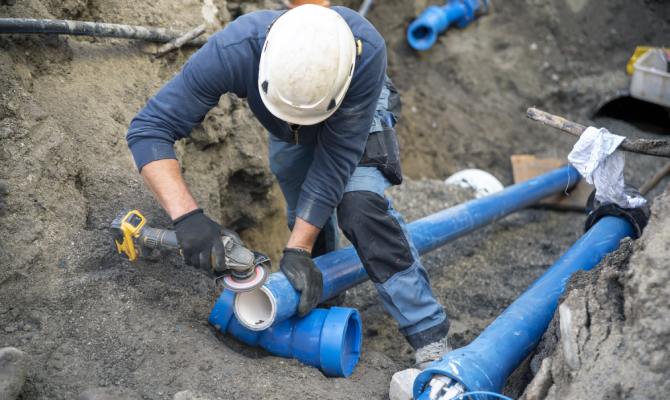
Water contamination can start long before anyone turns on a faucet. It often begins during installation, when small oversights slip into the job and stay hidden inside the line.
Have you ever looked at a new install and wondered what might still be sitting inside the pipe? Pipe installation mistakes that can contaminate water usually come from routine decisions on the jobsite, which is why installers need to pay close attention from the first cut to final startup.
Using The Wrong Tapping Method
What tapping method are you using to install the pipes? The three best-known tapping methods for plumbing include dry tapping, saddle tapping, and wet tapping. Each has its own use cases.
Wet tapping is one of the best options for preventing water contamination when installing new lines or modifying old ones, because it lets crews work on an active system without opening the line to outside debris. Using dry tapping or saddle tapping instead can lead to sediment, bacteria, or other contaminants getting into the water supply.
Leaving Pipe Ends Exposed Too Long
Open pipe ends collect contaminants quickly. Dust, soil, insects, moisture, and jobsite debris can enter the line in a short time, especially when materials sit uncovered between work stages. Installers sometimes treat a brief delay as harmless, but exposed openings create a direct path for contamination before the system is even connected. To prevent debris from getting into the pipe while installation is in progress, keep every open end sealed until the next connection is ready.
Skipping Proper Flushing Before Service Begins
New pipe installations often leave behind residue inside the line. Dirt from handling, cutting material, and residue from the installation process can stay in place even when the pipe looks clean from the outside. Water moving through a newly connected line can carry those materials into the supply if flushing doesn’t happen first. Proper flushing clears the interior before the system goes into service and helps remove contaminants that should never reach the end user.
Using Dirty Tools During Installation
Tools that contact pipe interiors can transfer contamination directly into the water line. Cutters, gauges, reamers, and other equipment pick up dirt, grease, and residue during normal jobsite use. When those surfaces touch the inside of a pipe or fitting, contamination moves with them. Clean equipment helps protect water quality during every phase of installation.
Failing To Disinfect After Installation
A newly installed pipe system can still carry contaminants even when everything looks clean. Bacteria can enter during handling, connections, or exposure to the environment. Without disinfection, those contaminants remain inside the line once water starts flowing. Disinfection removes harmful microorganisms before the system goes into use. Skipping this step allows bacteria to spread through the supply and creates a direct risk to water quality.
Keep Clean Water the Priority
Good installs protect more than the pipe itself. They protect the water moving through it. Pipe installation mistakes that can contaminate water start with basic handling, skipped steps, or rushed decisions on site. Catching those issues early helps installers keep the system clean, reduce call-backs, and turn over work they can stand behind.