The Main Types of Contaminants in Labs
In plastics manufacturing and industrial lab environments, contamination affects more than cleanliness—it directly impacts product quality, performance, and compliance. Teams that handle polymers, additives, and medical-grade materials must control contamination at every stage. Even minor exposure can alter results, damage materials, or create inconsistencies. Understanding the types of lab contaminants helps operators protect both processes and end products.
1. Particulate Contamination
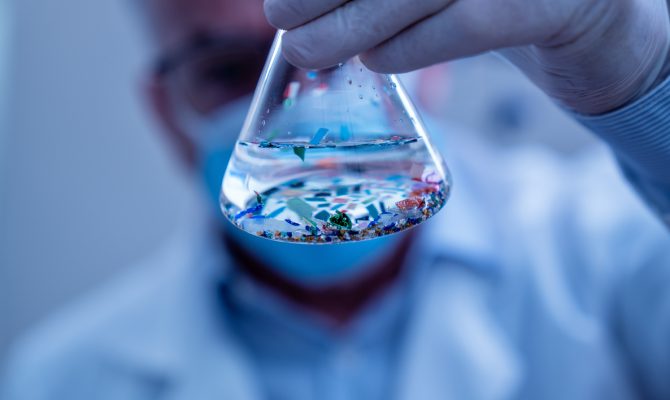
Particulates remain one of the most common contamination issues in plastics labs. Dust, fibers, and microplastics often enter materials during handling, transport, or processing. These particles can create surface defects, weaken structural integrity, and reduce product reliability. Teams in injection molding or extrusion environments must actively monitor airborne and surface-level debris.
Operators often trace particulate contamination back to worn equipment, packaging debris, or unfiltered air. Poor housekeeping practices increase buildup over time. Regular cleaning schedules and proper air filtration systems help reduce exposure. Consistent monitoring keeps particles from compromising production.
2. Chemical Contamination
Chemical contamination occurs when unintended substances interact with plastics or lab samples. Residual solvents, oils, or incompatible polymers often cause these issues. Even trace amounts can alter chemical properties, especially in sensitive applications such as medical or pharmaceutical plastics. Teams must carefully manage all substances that come into contact with materials.
Improper cleaning routines leave behind chemical residues on tools or surfaces. Equipment lubricants can transfer onto materials during processing. Mixing different polymers without proper separation increases the risk of unwanted reactions. Strict material handling protocols help maintain consistency.
3. Biological Contamination
Biological contaminants include bacteria, fungi, and other microorganisms that enter controlled environments. Labs that produce medical-grade plastics or packaging must closely monitor this risk. Contaminants can compromise sterility and create safety concerns for end users. Teams must maintain strict hygiene and sterilization standards.
Human handling is one of the most common biological risks. Moisture buildup in equipment or storage areas creates ideal conditions for growth. Inadequate sterilization procedures allow contamination to persist from batch to batch. Controlled environments and proper training reduce these risks.
4. Cross-Contamination
Cross-contamination occurs when materials transfer between tools, processes, or samples. This issue often appears when teams switch between resin types or formulations without proper cleaning. Even small traces of leftover material can affect color, strength, or melt behavior. Operators must treat tool management as a critical control point.
Dedicated tools and consistent cleaning protocols help reduce transfer risks. Precision instruments require special attention because they often come into contact with multiple materials. Proper tool selection and maintenance support cleaner workflows. Teams that enforce strict separation practices achieve more consistent results.
5. Environmental Contamination
Environmental factors such as humidity, temperature changes, and airborne chemicals can disrupt lab conditions. Plastics respond quickly to environmental shifts, which can alter curing, molding, or testing outcomes. Inconsistent conditions often lead to variability in product performance. Teams must stabilize environments to maintain control.
Poor ventilation systems allow airborne contaminants to circulate freely. Temperature fluctuations affect material behavior during processing. Exposure to industrial pollutants increases risk in shared facilities. Climate control systems and air management strategies help maintain stable conditions.