Benefits of Automatic Palletizers for Small Manufacturers
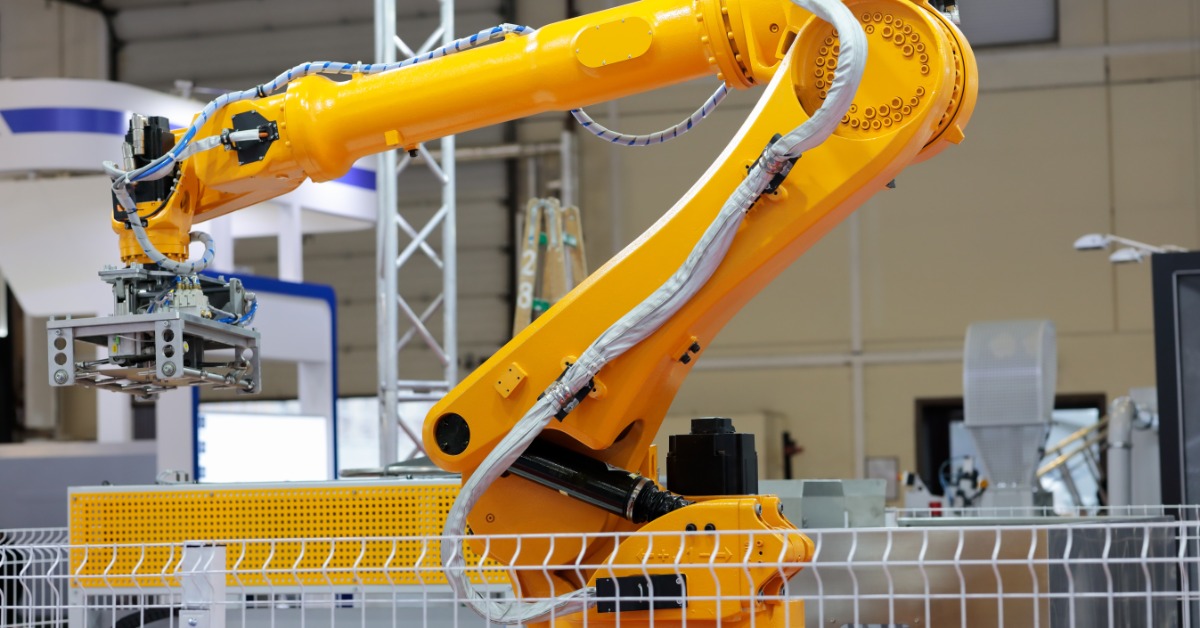
Small manufacturers often need to increase output without adding unnecessary complexity to their operations. End-of-line packaging can become a major bottleneck when employees must repeatedly lift, arrange, and stack heavy cases by hand. Automatic palletizing equipment gives smaller facilities a practical way to streamline this demanding stage of production while supporting consistent workflows. Understanding the benefits of automatic palletizers for small manufacturers can help business owners decide whether automation fits their current production needs and long-term growth plans.
Increase Production Efficiency
Manual palletizing depends heavily on employee speed and stamina. Workers may maintain a steady pace for part of a shift, but repetitive lifting naturally becomes more difficult as fatigue develops. An automatic palletizer performs the same stacking motions consistently throughout production.
Improved palletizing speed can also support better use of upstream equipment. Production machinery may need to slow down when workers cannot clear finished products quickly enough. A properly configured palletizer keeps pace with expected production rates and allows other equipment to operate more efficiently. Small manufacturers can increase throughput without relying solely on additional employees to handle higher output.
Reduce Dependence on Manual Labor
Finding enough employees for physically demanding manufacturing roles can create ongoing challenges. Palletizing requires workers to perform repetitive motions and handle products for extended periods. Automating this task allows a manufacturer to assign employees to positions that require judgment or hands-on problem-solving instead.
In facilities struggling to keep end-of-line positions staffed, palletizer automation can help solve labor shortages by reducing the number of workers needed for repetitive stacking duties. This change does not necessarily mean eliminating valuable employees. Manufacturers can redirect available staff toward quality checks or equipment support, where human attention contributes more directly to smooth operations. Additionally, managers do not need to adjust palletizing assignments as frequently when absences occur or staffing levels fluctuate.
Improve Workplace Safety
Repeatedly lifting boxes and moving products onto pallets places physical strain on employees. The risk can become greater when cases are heavy or when workers must reach awkward positions to complete a stack. An automatic palletizer handles much of this repetitive physical work and limits employee exposure to demanding lifting tasks.
Reducing manual handling can create a more manageable work environment for production teams. Employees can focus on monitoring equipment and responding to issues rather than performing the same strenuous motion throughout a shift. Manufacturers still need appropriate machine guarding and safety procedures, but automation can remove a significant source of repetitive physical stress from daily operations.
A safer workflow may also support employee retention. Investing in automation shows that a manufacturer takes workplace conditions seriously while improving an essential production process.
Create More Consistent Pallet Loads
Stable pallets depend on accurate product placement. When employees stack cases manually, small variations can occur as workers become tired or rush to keep pace with production. Those differences may lead to uneven loads that become harder to wrap or transport safely.
Automatic palletizers follow programmed stacking patterns for each load. The equipment places products in repeatable positions and maintains the intended arrangement from the bottom layer through the top. Consistent patterns help manufacturers produce neater pallets that move more reliably through wrapping and shipping operations.
Manufacturers that handle multiple products can also program compatible systems for different case sizes or stacking patterns. Operators can select the correct setup when production changes, helping the facility maintain consistent results across product runs.
Make Better Use of Limited Floor Space
Smaller manufacturing facilities often have limited room for new machinery. Modern palletizing systems can offer compact configurations that fit into tighter end-of-line areas. Manufacturers can evaluate equipment layouts based on available space and choose a system that supports automation without requiring an extensive building expansion.
Efficient layouts can also improve product flow. A palletizer positioned near the end of a packaging line reduces unnecessary movement between production and pallet building areas. Employees spend less time transferring cases manually, while finished loads can move toward wrapping or storage in an organized sequence.
Before choosing equipment, manufacturers should consider ceiling height and access around the machine. Planning for maintenance space is equally important. A thoughtful layout allows the system to improve productivity without creating new obstacles for employees or material-handling equipment.
Support Business Growth
Small manufacturers may hesitate to automate because their current production volume seems manageable. However, growth can quickly expose limitations in a manual palletizing process. Higher order volumes place more pressure on employees and can make staffing challenges more noticeable. Installing automation before the end of the line becomes overwhelmed can create capacity for future increases.
A scalable palletizing solution can help a business accept larger orders without immediately expanding its workforce. Manufacturers can use existing employees more effectively while allowing automated equipment to handle repetitive stacking. This added capacity may make it easier to respond to seasonal demand or gradual increases in customer orders.
Automation can also create a stronger foundation for other process improvements. Once palletizing becomes consistent, managers can identify bottlenecks elsewhere in production and make targeted changes. Instead of repeatedly addressing problems at the end of the line, the company can focus on improving the broader manufacturing process.
Improve Cost Control Over Time
Automatic palletizers require an upfront investment, so small manufacturers should evaluate expected production needs before purchasing equipment. The long-term value often comes from reducing recurring labor demands and preventing inefficient workflows from limiting output. A manufacturer can compare equipment costs with the expenses associated with staffing palletizing positions over time.
Consistent operation may also reduce costs connected to poorly built loads. Products stacked inaccurately can shift during handling, potentially leading to damaged packaging or additional rework. Reliable stacking helps protect finished goods as they move through the facility and prepare for shipment.
The right system should match the manufacturer’s actual production requirements rather than exceed them. Selecting suitable capacity and features can help a smaller business gain useful automation without paying for capabilities it does not need. Careful planning makes the investment easier to justify and supports stronger returns as production grows.
Build a More Efficient End-Of-Line Process
Automation gives smaller operations a practical way to strengthen an important part of production without depending entirely on manual labor. Faster stacking and more consistent loads can help manufacturers keep finished products moving while creating a more manageable workplace for employees. The benefits of automatic palletizers for small manufacturers become especially valuable as order volume increases and staffing demands become harder to manage. By choosing equipment that matches available space and production goals, small manufacturers can create an end-of-line process that supports reliable performance today and future growth.