Tips for Setting Up an End-of-Line Packaging Operation
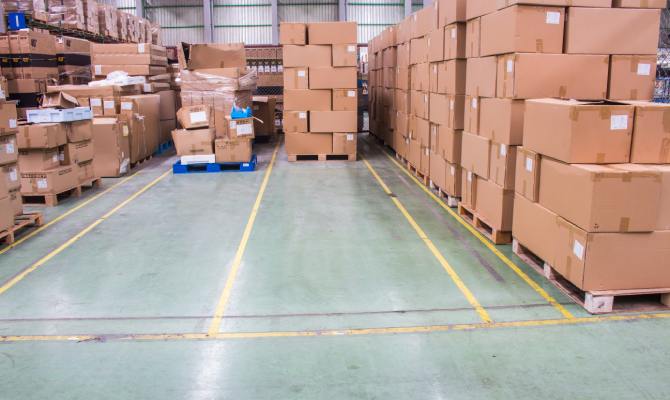
For businesses in Dixon and across Missouri, a smooth shipping process starts long before a truck leaves the dock. A well-planned end-of-line packaging operation helps protect products, reduce delays, and create a safer workspace for employees. Keep reading for our tips for setting up a successful end-of-line packaging operation.
Start With the Flow of the Product
The strongest setup begins with a clear path from production to shipment. Products should move in a straight, logical sequence from filling or assembly to sealing, labeling, palletizing, and wrapping. When teams place equipment without considering flow, they create extra motion, waste time, and create more chances for product damage.
A practical layout also leaves enough room for staging, forklift traffic, and routine maintenance. In smaller facilities, this matters even more. Tight spaces can slow down the line and raise safety risks. A smart setup gives each step a purpose and keeps workers from crossing paths with moving loads.
Match Equipment to the Load
Not every packaging line needs the same machinery. The right choice depends on what the business ships every day. Lightweight cartons, heavy bags, mixed pallets, and unstable loads each create different demands. Before investing in equipment, operators should review product dimensions, pallet patterns, throughput goals, and shipping conditions.
Stretch wrapping deserves close attention because it plays a major role in load stability. For example, if you’re regularly wrapping tall or irregular pallet loads, you need a machine that can work with the unique stability and wrapping requirements of the load.
Build for Consistency, Not Just Speed
Another tip for setting up an end-of-line packaging operation is to remember that while speed matters, consistency matters more. A line that moves quickly while producing damaged or unstable loads creates bigger problems downstream. Reliable sealing, accurate labels, and secure wrapping support fewer shipping issues and less rework.
For growing Missouri businesses, this is a valuable mindset. A steady, repeatable process gives a company room to expand without rebuilding the entire line a few months later.
Make Safety Part of the Design
An effective secondary packaging area protects workers as well as products. Build clear walkways, visible controls, guard systems, and strong training standards into the operation from the start. Businesses should also think about the daily reality of the line. Employees need easy access to film changes, jam points, and inspection areas without putting themselves in harm’s way.
Training should cover more than machine startup. Workers need to understand load quality, wrapping standards, shutdown procedures, and basic troubleshooting.
Plan for Change and Maintenance
Packaging operations rarely stay the same for long. New products, seasonal demand, and customer requirements can all reshape the line. Business owners should choose systems and layouts that allow for adjustments without major disruption.
Routine maintenance also deserves space in the plan. Machines that are hard to access are harder to maintain, and neglected equipment can slow production at the worst time.
A Strong Finish Supports the Whole Operation
A successful end-of-line packaging operation does more than move products out the door. It helps Missouri businesses protect shipments, improve safety, and build a process that can support future growth. When companies focus on product flow, load stability, worker training, and long-term flexibility, they put themselves in a better position to serve customers efficiently and confidently.